Flowers bring color, fragrance, and life to gardens, homes, parks, and special occasions. From classic roses and cheerful sunflowers to elegant orchids and delicate tulips, there are many different types of flowers to explore. Each has its own appearance, growing requirements, blooming season, and uses.
Whether you want to identify a flower, plan a colorful garden, choose flowers for a bouquet, or grow flowering plants at home, understanding the different varieties can help you make the right choice. This guide covers 30 popular types of flowers, their common colors, growing conditions, seasonal characteristics, and practical uses.
What Are the Different Types of Flowers?
Types of flowers can be grouped by their botanical characteristics, colors, blooming seasons, life cycles, and growing environments. Some are grown for their fragrance, others for their striking appearance, and many provide food for pollinators such as bees and butterflies.
For everyday gardening, flowers are often grouped into these categories:
- By color: Red, pink, white, yellow, purple, blue, and orange flowers.
- By season: Spring, summer, autumn, and winter-flowering varieties.
- By life cycle: Annuals, biennials, and perennials.
- By growing environment: Garden flowers, container flowers, and indoor flowering plants.
- By purpose: Cut flowers, ornamental plants, fragrant flowers, and pollinator-friendly flowers.
These categories can overlap. For example, a sunflower is usually grown as an annual, typically flowers in summer or early autumn depending on the climate, and is useful as an ornamental plant as well as a food source for wildlife.
30 Popular Types of Flowers and Their Names
The following flowers are popular for gardens, bouquets, landscaping, and home decoration. Their exact flowering periods and care requirements vary with the species, cultivar, local climate, and growing conditions.
1. Rose

Roses are among the best-known ornamental flowers, recognized for their layered petals, varied colors, and often sweet fragrance. Colors include red, pink, white, yellow, orange, and purple-toned cultivars.
- Blooming season: Often late spring through autumn, depending on variety and climate.
- Growing conditions: Many varieties prefer full sun and fertile, well-drained soil.
- Watering: Water deeply around the roots, adjusting frequency for weather and soil.
- Common uses: Bouquets, gardens, weddings, and gifts.
Roses come in climbing, shrub, miniature, and hybrid tea forms, making them suitable for different garden designs.
2. Tulip
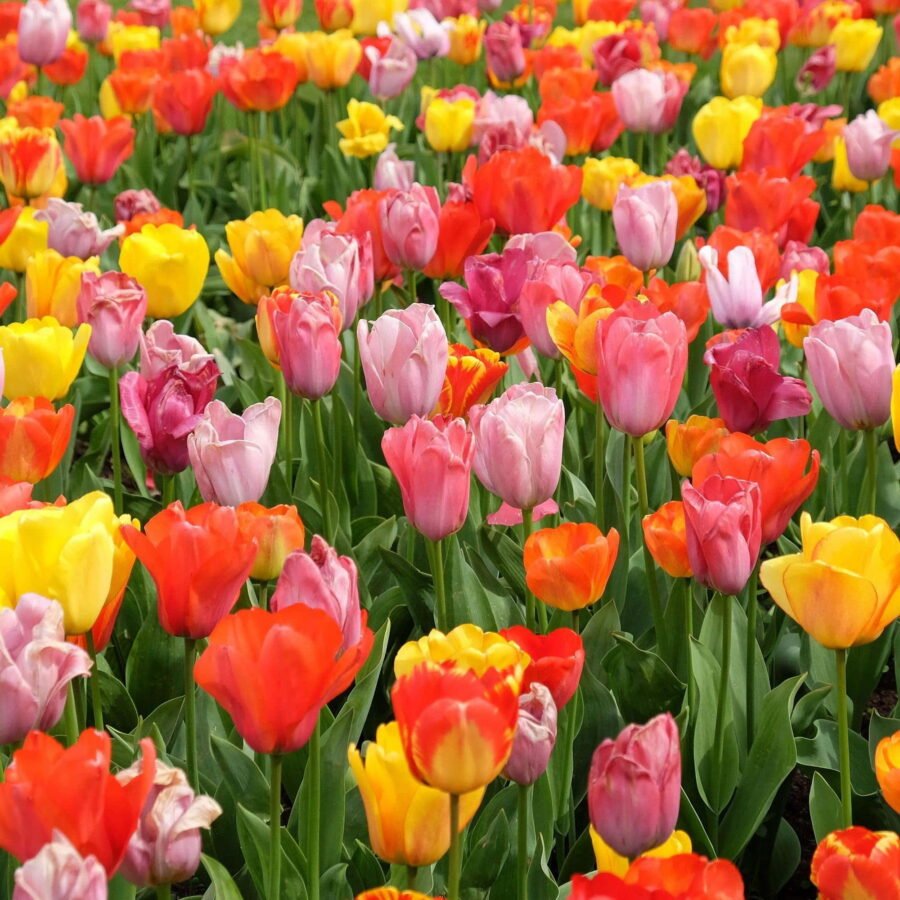
Tulips are bulb-growing flowers with smooth stems and distinctive cup-shaped blooms. They are especially popular in spring gardens and come in many solid colors and multicolored patterns.
- Blooming season: Usually spring.
- Growing conditions: Most garden tulips need a sunny location and well-drained soil.
- Watering: Keep the soil lightly moist during active growth without allowing bulbs to sit in water.
- Common uses: Flower beds, borders, containers, and spring bouquets.
Many tulips benefit from a period of winter chilling, so variety selection matters in warmer climates.
3. Lily
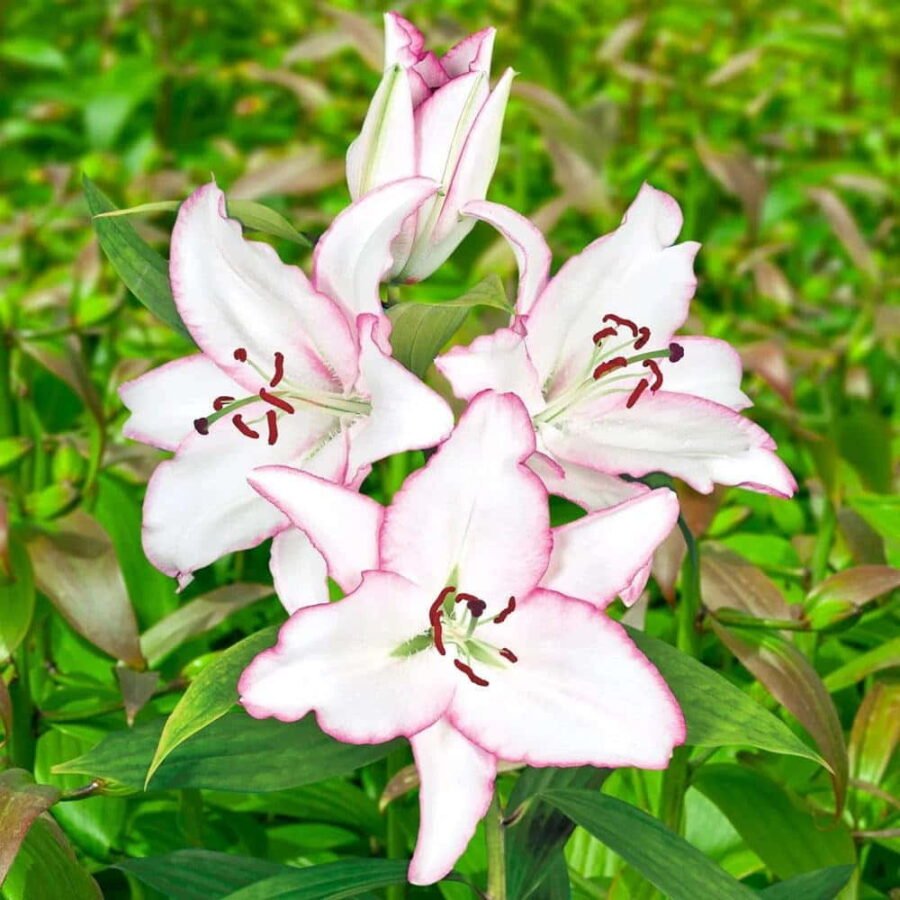
True lilies have prominent blooms with six petal-like parts, often large and fragrant. White, pink, orange, yellow, and red varieties are common.
- Blooming season: Late spring through summer for many varieties.
- Growing conditions: Usually prefer well-drained soil and sun or partial shade, depending on the type.
- Watering: Maintain consistent soil moisture while avoiding waterlogged conditions.
- Common uses: Floral arrangements, ornamental borders, and gardens.
Pet safety: Many true lilies are extremely toxic to cats, including through pollen exposure and vase water. Avoid keeping them in homes where cats may encounter them.
4. Sunflower

Sunflowers are recognizable by their large flower heads, bright yellow ray florets, and central disk. Depending on the cultivar, plants can be short and compact or grow several meters tall.
- Blooming season: Generally summer to early autumn.
- Growing conditions: Full sun and reasonably fertile, well-drained soil.
- Watering: Water regularly while young and during prolonged dry spells.
- Common uses: Garden displays, cut flowers, and seeds for people and wildlife.
Their central disks contain many tiny individual flowers, rather than one single flower.
5. Orchid

Orchids are a diverse family of flowering plants with distinctive, often symmetrical blooms. Phalaenopsis orchids are particularly popular as indoor plants.
- Blooming season: Depends heavily on the species and growing conditions.
- Growing conditions: Many indoor orchids prefer bright, indirect light and a specialized, airy growing medium.
- Watering: Water according to the orchid type and allow the growing medium to drain.
- Common uses: Indoor decoration, gifts, and tropical plant collections.
Not all orchids grow in ordinary soil. Many naturally grow attached to trees and obtain moisture from their surroundings.
6. Daisy

Daisies typically feature a yellow central disk surrounded by white ray florets, although related plants sold as daisies have different colors and forms.
- Blooming season: Often late spring through summer.
- Growing conditions: Many garden daisies prefer full sun and well-drained soil.
- Watering: Water during dry periods, especially while plants establish.
- Common uses: Cottage gardens, borders, bouquets, and informal arrangements.
Their simple flower shape gives gardens a fresh, natural appearance.
7. Marigold
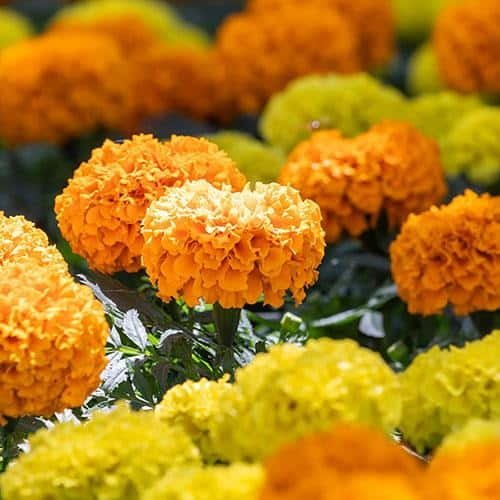
Marigolds are bright annual flowers with rounded or layered blooms, most commonly in orange, yellow, and golden shades.
- Blooming season: Often from warm-season planting until frost in suitable climates.
- Growing conditions: Full sun and well-drained soil.
- Watering: Water when the soil begins to dry; avoid persistently soggy soil.
- Common uses: Flower beds, pots, borders, and decorative displays.
Marigolds are popular beginner flowers because many varieties grow readily from seed and provide long-lasting seasonal color.
8. Carnation
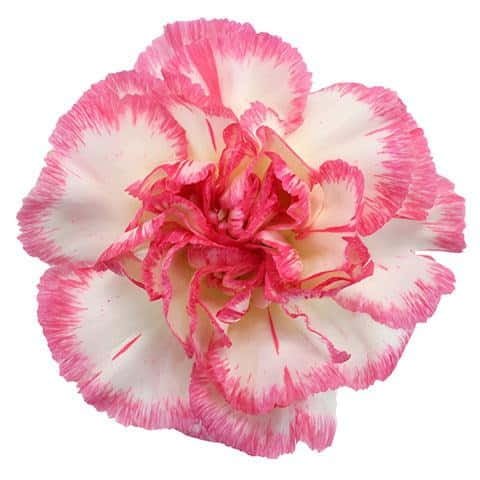
Carnations have ruffled petals and a long history in floral arrangements. They come in red, pink, white, yellow, and patterned varieties.
- Blooming season: Often spring and summer outdoors; commercial varieties may be available year-round.
- Growing conditions: Sunlight and well-drained soil are generally important.
- Watering: Water at the base and allow excess water to drain.
- Common uses: Bouquets, celebrations, corsages, and decorative arrangements.
Their firm stems and relatively long vase life make carnations useful for cut-flower displays.
9. Chrysanthemum

Chrysanthemums have dense petals and come in many forms, from button-like blooms to large decorative flowers.
- Blooming season: Often late summer and autumn, depending on variety and day length.
- Growing conditions: Many varieties grow best in full sun and well-drained soil.
- Watering: Keep the soil evenly moist without waterlogging it.
- Common uses: Seasonal gardens, pots, and bouquets.
Chrysanthemums are especially valued for adding color as summer-flowering plants begin to fade.
10. Lavender
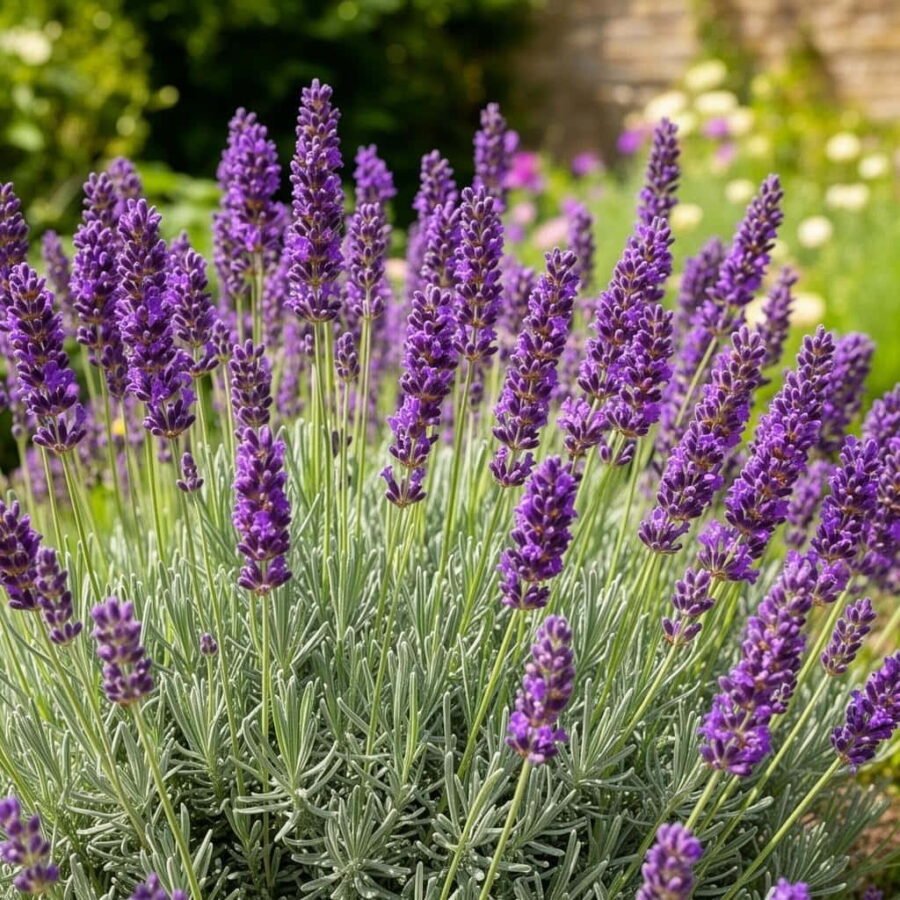
Lavender is a fragrant plant with narrow leaves and upright spikes of small purple, blue-violet, or occasionally pink and white flowers.
- Blooming season: Often late spring through summer.
- Growing conditions: Full sun and excellent drainage; many types tolerate dry conditions once established.
- Watering: Avoid frequent watering in poorly drained soil.
- Common uses: Herb gardens, landscaping, dried arrangements, and fragrance products.
Lavender is attractive to many bees when in flower and is often used in water-wise gardens.
11. Hibiscus
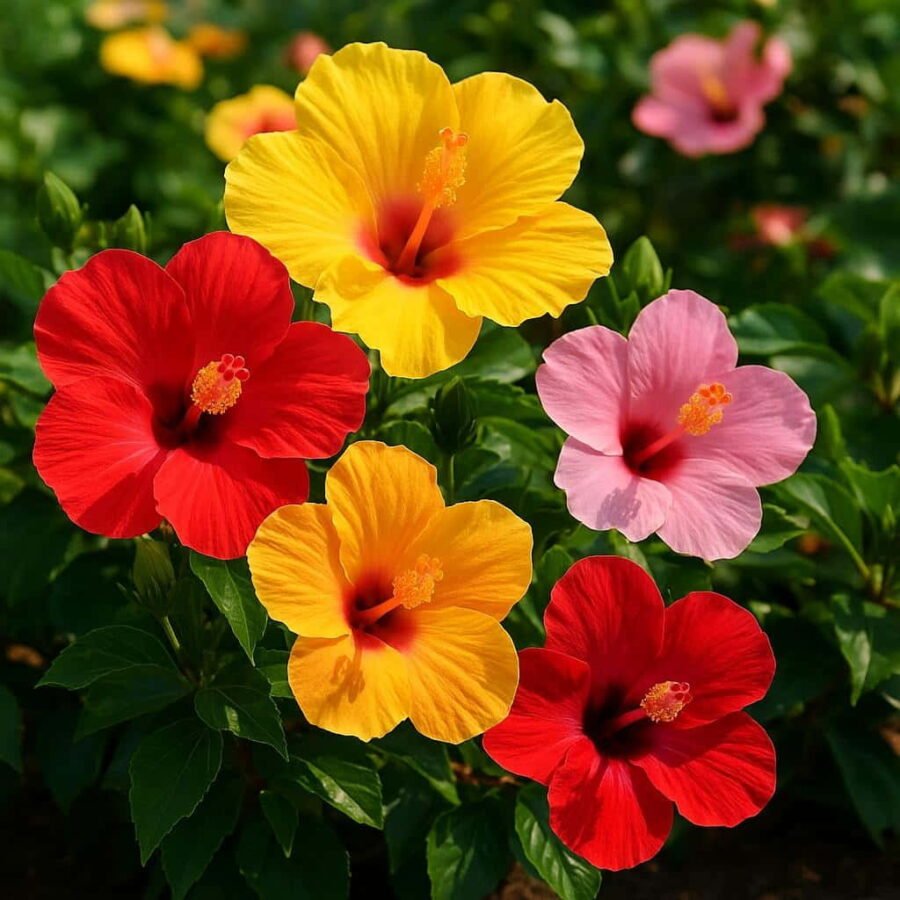
Hibiscus flowers are known for their large, showy petals and prominent central column. Tropical varieties commonly have red, pink, yellow, orange, or white blooms.
- Blooming season: Often warm-season flowering; tropical types may bloom for extended periods in suitable conditions.
- Growing conditions: Many tropical hibiscus varieties prefer warmth, strong light, and fertile soil.
- Watering: Water regularly during active growth while ensuring good drainage.
- Common uses: Tropical gardens, patios, containers, and ornamental landscaping.
Hardy hibiscus species have different cold tolerances from tropical varieties, so identify the plant before choosing its location.
12. Peony
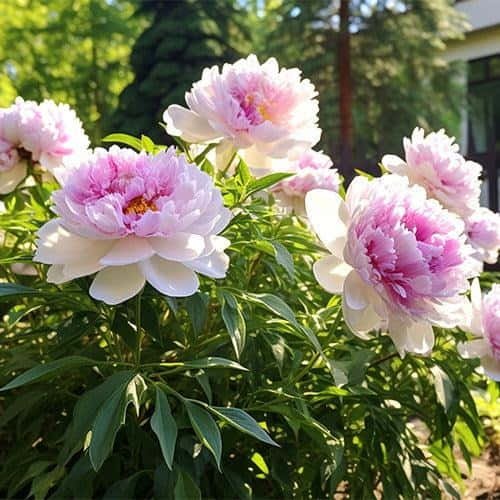
Peonies produce full, rounded flowers with abundant petals. Pink, white, red, and coral shades are common among cultivated varieties.
- Blooming season: Generally spring to early summer.
- Growing conditions: Many garden peonies need full sun and well-drained soil; climate suitability varies.
- Watering: Provide consistent moisture while plants establish.
- Common uses: Wedding bouquets, garden borders, and ornamental displays.
Peonies are long-lived perennials in suitable climates, but many varieties need winter chilling to flower well.
13. Daffodil

Daffodils have a central cup or trumpet surrounded by petal-like parts. Yellow and white are common colors, with some varieties featuring orange or pink-toned cups.
- Blooming season: Usually late winter or spring, depending on climate and variety.
- Growing conditions: Many grow from bulbs in sunny to partly shaded, well-drained sites.
- Watering: Moisture is important during active growth; avoid waterlogged bulbs.
- Common uses: Spring borders, lawns, and naturalized garden displays.
Daffodil bulbs and plant parts are toxic if eaten, so keep them away from children and pets who might chew them.
14. Jasmine

Jasmine includes shrubs and climbing plants with small, star-shaped flowers. Many varieties have a sweet fragrance, and blooms are often white or yellow.
- Blooming season: Varies by species and climate; some bloom in warm seasons and others at different times.
- Growing conditions: Depends on the species; many prefer sunlight to partial shade and well-drained soil.
- Watering: Water according to the variety and local weather.
- Common uses: Trellises, garden borders, fragrance, and ornamental containers.
Some plants called jasmine belong to other genera, so botanical identification is helpful when choosing a variety.
15. Zinnia

Zinnias are colorful annuals with daisy-like or densely layered blooms. They are available in pink, red, orange, yellow, purple, and white.
- Blooming season: Warm weather through autumn in suitable climates.
- Growing conditions: Full sun and well-drained soil.
- Watering: Water near the soil and avoid keeping foliage wet for long periods.
- Common uses: Cutting gardens, flower beds, and pollinator-friendly planting.
Their bright flowers and relatively straightforward care make zinnias a good option for new gardeners.
16. Petunia
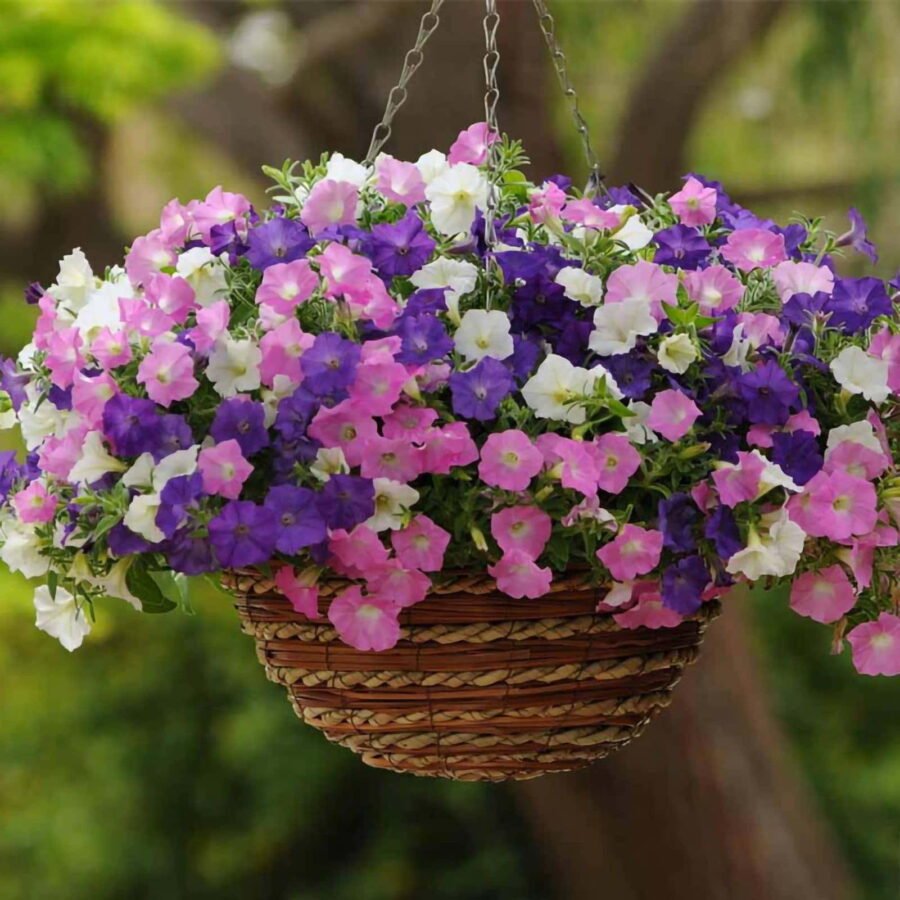
Petunias produce trumpet-shaped flowers in many colors, including pink, purple, red, white, and striped combinations.
- Blooming season: Often spring through autumn in suitable weather.
- Growing conditions: Many varieties prefer full sun and well-drained potting mix.
- Watering: Containers may need frequent checks in hot weather.
- Common uses: Hanging baskets, window boxes, containers, and borders.
Trailing petunias are especially useful where flowers can spill over the sides of pots.
17. Pansy
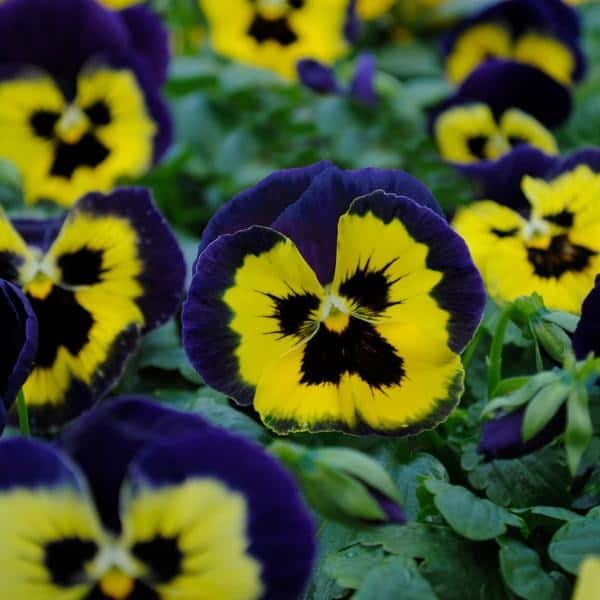
Pansies have rounded, overlapping petals and often feature contrasting markings that resemble little faces. Their colors include purple, yellow, blue, white, and orange.
- Blooming season: Often autumn through spring in mild climates.
- Growing conditions: Prefer cooler weather, fertile soil, and sun or partial shade.
- Watering: Keep the soil moist but well drained.
- Common uses: Cool-season flower beds, pots, and window boxes.
Pansies can struggle in prolonged hot weather, making them more suitable for cooler parts of the growing year.
18. Geranium
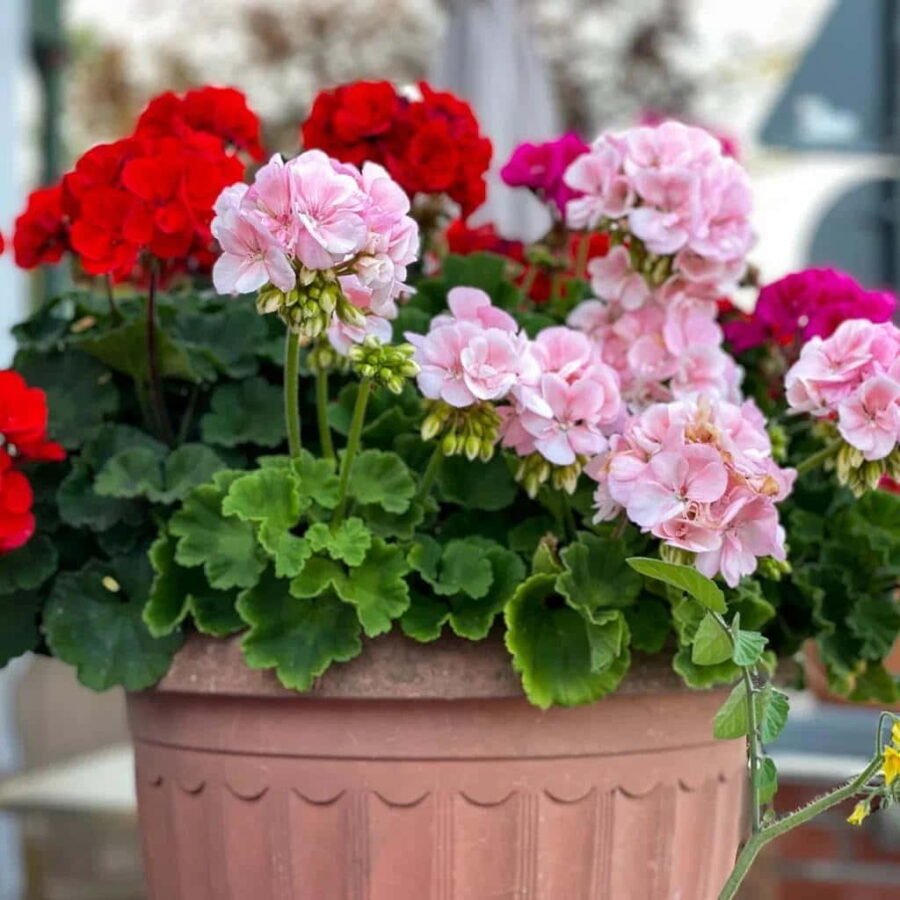
Garden geraniums sold for containers are often pelargoniums. They produce clusters of flowers in red, pink, white, and salmon shades.
- Blooming season: Often spring through autumn in suitable conditions.
- Growing conditions: Bright light and well-drained soil are important for many varieties.
- Watering: Allow the upper soil to dry somewhat between waterings.
- Common uses: Balconies, patios, window boxes, and container displays.
The common name can refer to different plants, so check the botanical label when buying.
19. Cosmos
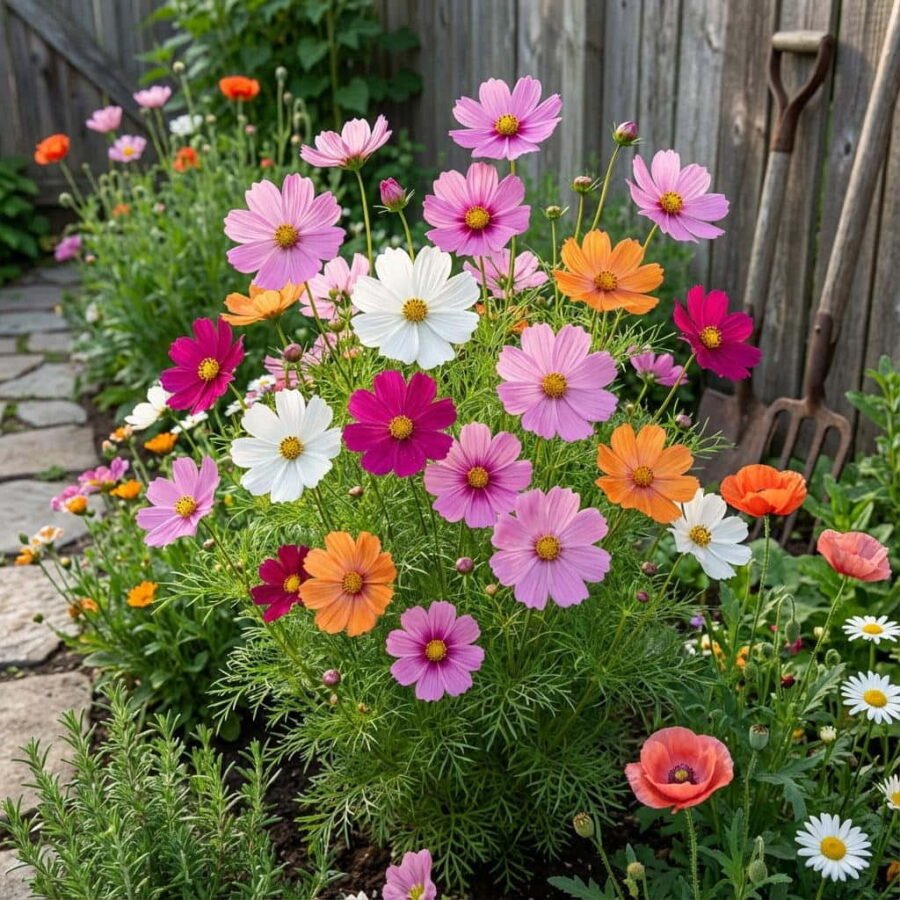
Cosmos flowers have open, daisy-like blooms and finely divided foliage. Common garden varieties are pink, white, magenta, or orange.
- Blooming season: Usually summer into autumn.
- Growing conditions: Full sun and well-drained soil; many varieties tolerate relatively poor soil.
- Watering: Water during establishment and extended dry periods.
- Common uses: Cottage gardens, informal borders, and pollinator planting.
Cosmos can provide a light, airy appearance and are often easy to grow from seed.
20. Dahlia

Dahlias are famous for their wide variety of flower forms, from compact pompons to large dinner-plate blooms. Their colors include red, pink, yellow, orange, purple, and white.
- Blooming season: Generally summer through autumn.
- Growing conditions: Full sun and fertile, well-drained soil.
- Watering: Water consistently during active growth, especially in dry weather.
- Common uses: Show gardens, flower beds, and cut-flower arrangements.
Dahlias grow from tuberous roots and may need winter protection in cold climates.
21. Iris
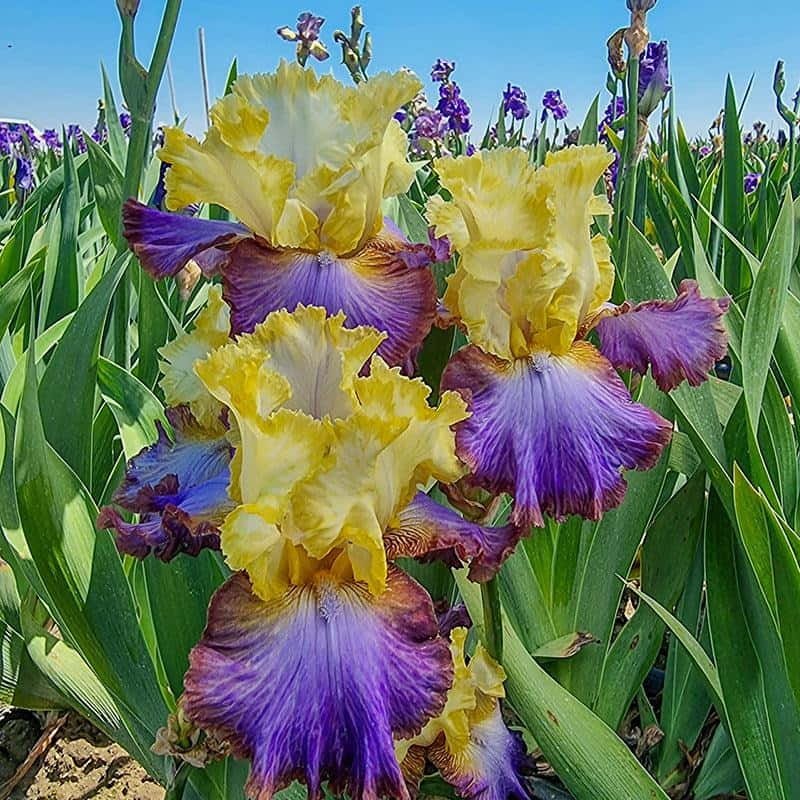
Irises are distinctive flowers with upright petals and drooping outer parts. Depending on the species and cultivar, they may be blue, purple, yellow, white, or multicolored.
- Blooming season: Many bloom in spring or early summer.
- Growing conditions: Vary by type; bearded irises generally need sun and well-drained soil.
- Watering: Requirements depend on whether the species is adapted to dry or wet habitats.
- Common uses: Borders, ornamental beds, and cut flowers.
Iris is a diverse genus, so growing instructions for one type should not automatically be applied to another.
22. Poppy
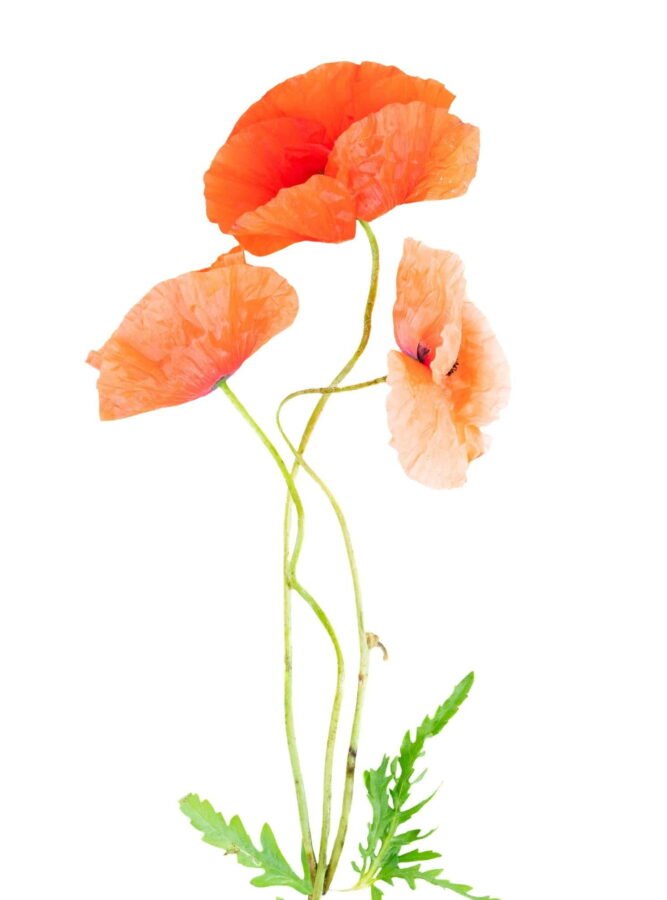
Poppies are known for their delicate, papery petals and prominent central structures. Many ornamental varieties are red, orange, pink, white, or purple.
- Blooming season: Often spring or early summer, depending on species and climate.
- Growing conditions: Many garden poppies prefer full sun and well-drained soil.
- Watering: Moderate moisture is often sufficient once established, depending on the species.
- Common uses: Wildflower-style gardens, borders, and ornamental planting.
Poppies include several distinct species with different growing requirements; check the identity and local rules for the variety you choose.
23. Hydrangea
Hydrangeas are shrubs with large clusters of small flowers. Depending on the species and cultivar, blooms can be white, pink, blue, greenish, or purple.
- Blooming season: Commonly summer, with some varieties flowering into autumn.
- Growing conditions: Many prefer partial shade and moisture-retentive, well-drained soil.
- Watering: Regular watering may be needed during hot or dry periods.
- Common uses: Garden borders, foundation planting, and cut-flower arrangements.
In certain bigleaf hydrangeas, flower color can change with soil chemistry and available aluminum; this does not apply equally to every hydrangea.
24. Snapdragon
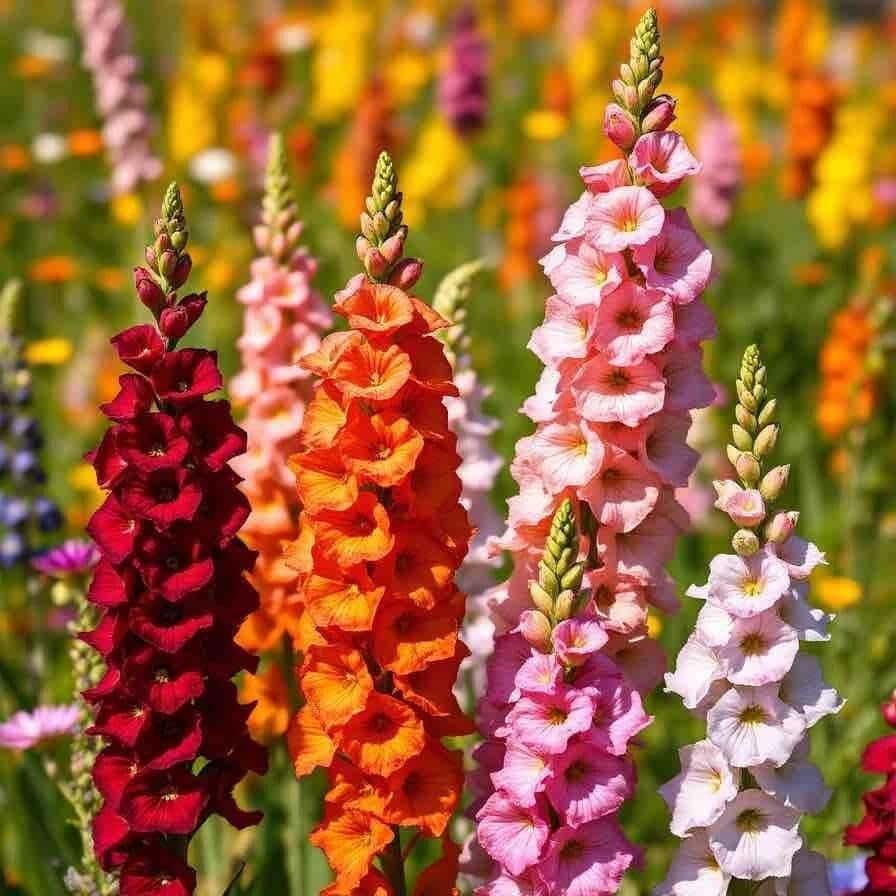
Snapdragons grow upright spikes of flowers with a distinctive shape. They are available in many colors, including pink, red, yellow, white, and purple.
- Blooming season: Often spring and autumn in mild climates; heat can shorten flowering.
- Growing conditions: Sun or light shade and well-drained soil.
- Watering: Keep moisture reasonably consistent while avoiding waterlogged roots.
- Common uses: Borders, cottage gardens, and tall floral arrangements.
Their vertical flower spikes provide structure in mixed flower beds.
25. Begonia
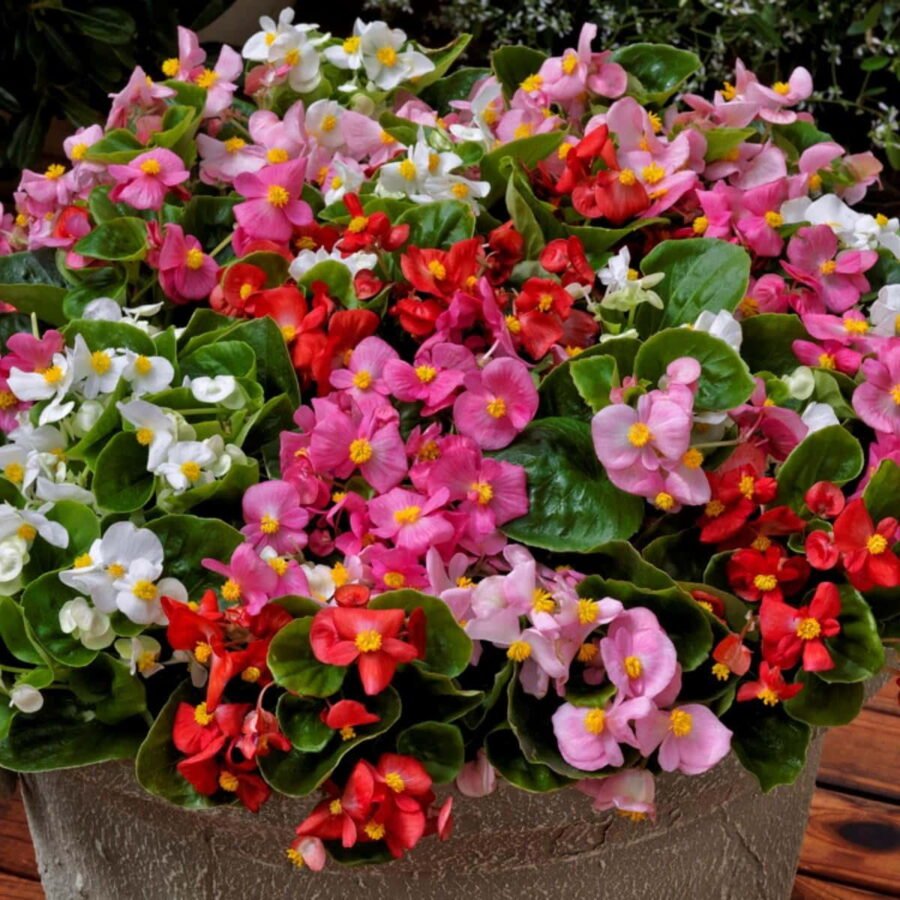
Begonias include many flowering plants with attractive foliage and blooms in pink, red, white, and orange shades.
- Blooming season: Often warm-season flowering outdoors; some indoor types bloom for extended periods.
- Growing conditions: Vary widely; many prefer bright indirect light or partial shade.
- Watering: Avoid overwatering and ensure good drainage.
- Common uses: Shaded containers, patios, indoor displays, and garden beds.
Begonias are a useful choice for spaces where many sun-loving flowers may struggle.
26. Gerbera Daisy
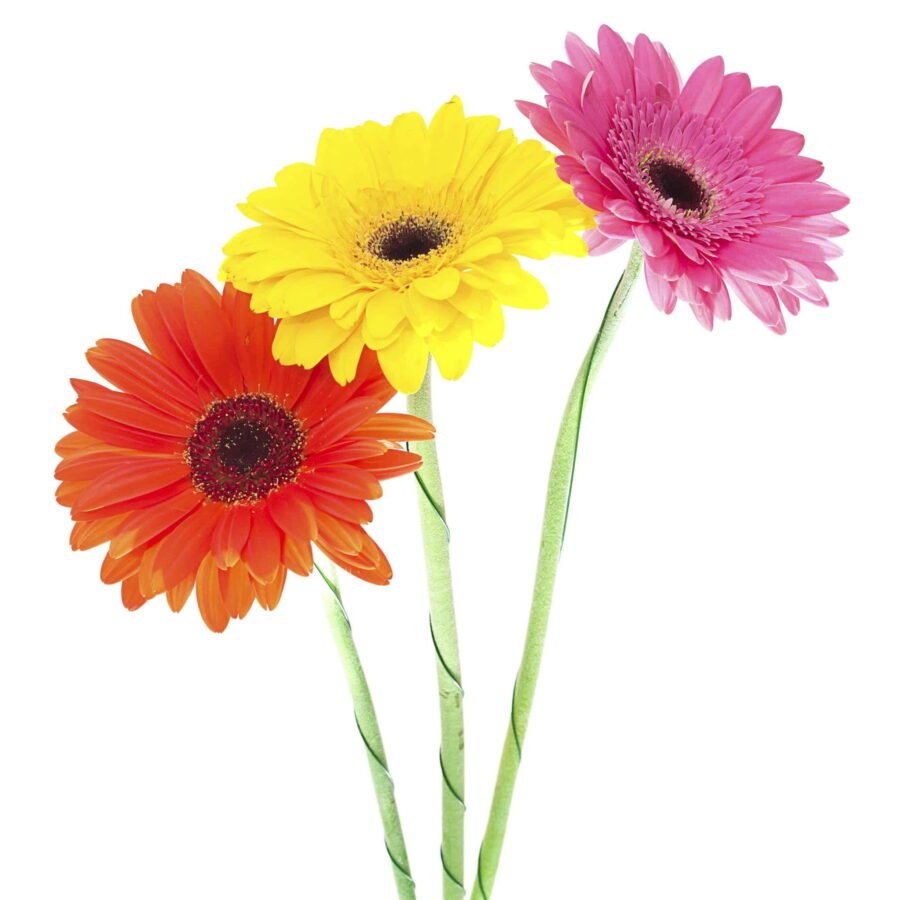
Gerbera daisies have bold, open flower heads and a clean, modern appearance. Colors include red, pink, orange, yellow, and white.
- Blooming season: Often spring through autumn outdoors in suitable climates; flowering may continue indoors with suitable care.
- Growing conditions: Bright light and well-drained soil or potting mix.
- Watering: Water as needed without leaving roots waterlogged.
- Common uses: Bouquets, table arrangements, containers, and gifts.
Their long stems and vivid colors make them popular in contemporary floral designs.
27. Coneflower
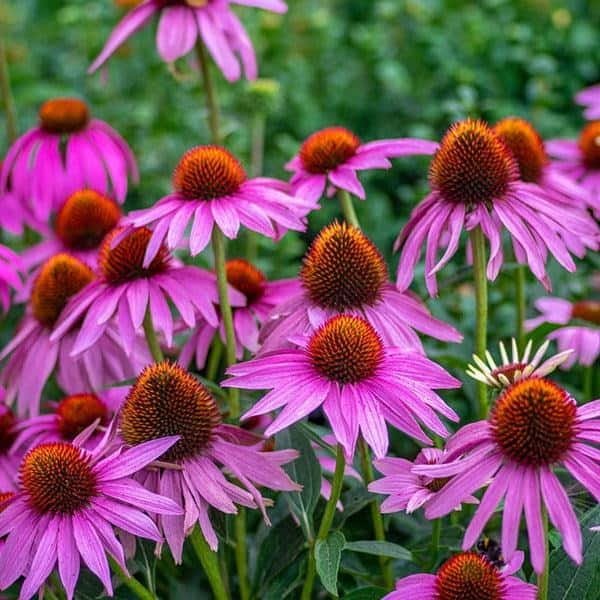
Coneflowers have daisy-like petals surrounding a raised central cone. Purple-pink is common in traditional varieties, while cultivated forms may be orange, yellow, or white.
- Blooming season: Usually summer into early autumn.
- Growing conditions: Many varieties prefer full sun and well-drained soil.
- Watering: Water during establishment; established plants may tolerate some dry weather.
- Common uses: Perennial borders, prairie-style gardens, and pollinator planting.
Their flower heads can also provide seeds for birds if left standing after flowering.
28. Sweet Pea
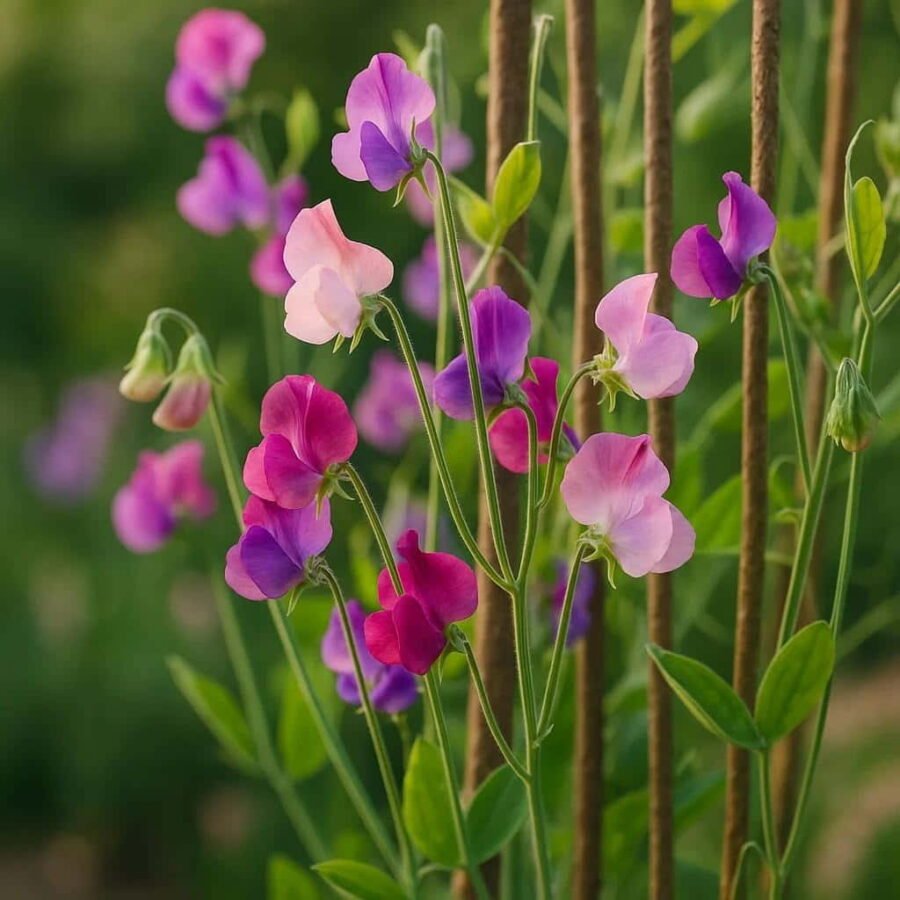
Sweet peas are climbing annuals with delicate, butterfly-like petals. Many varieties are highly fragrant and come in pink, purple, white, red, and pastel shades.
- Blooming season: Usually during cooler parts of the growing season.
- Growing conditions: Sunlight, fertile soil, and support for climbing stems.
- Watering: Keep the soil evenly moist during active growth.
- Common uses: Trellises, cottage gardens, and fragrant bouquets.
Sweet peas are different from edible garden peas, and their seeds are toxic if eaten.
29. Morning Glory
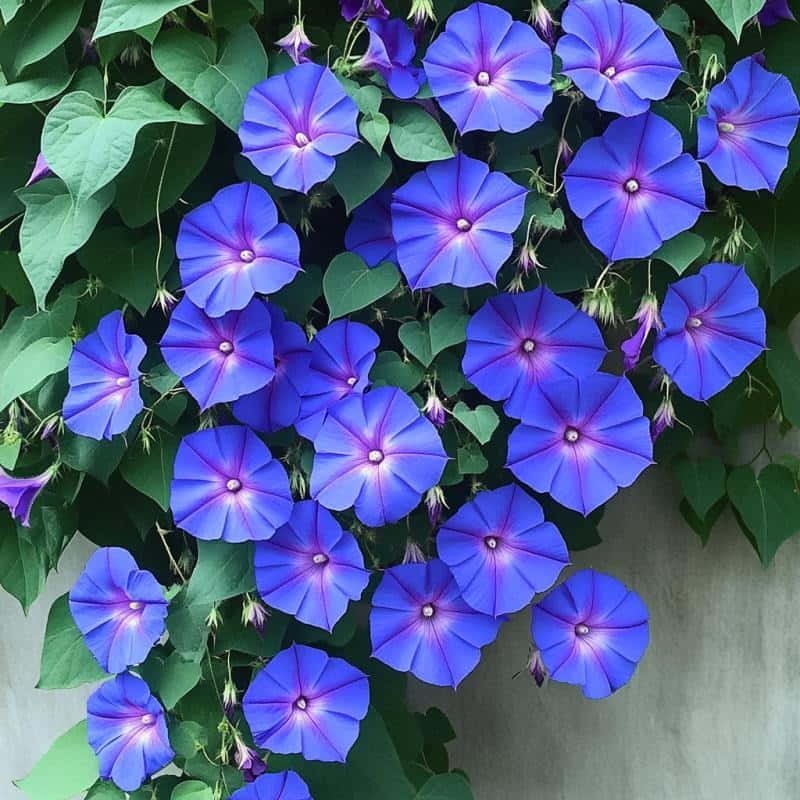
Morning glories are climbing plants with trumpet-shaped flowers, commonly blue, purple, pink, or white. Many varieties open in the morning and close later in the day.
- Blooming season: Often summer through autumn in suitable climates.
- Growing conditions: Many prefer full sun and support for their climbing stems.
- Watering: Provide regular moisture during establishment.
- Common uses: Trellises, fences, and vertical garden displays.
Some morning glory species self-seed vigorously, so check whether a variety is invasive in your area before planting.
30. Lotus
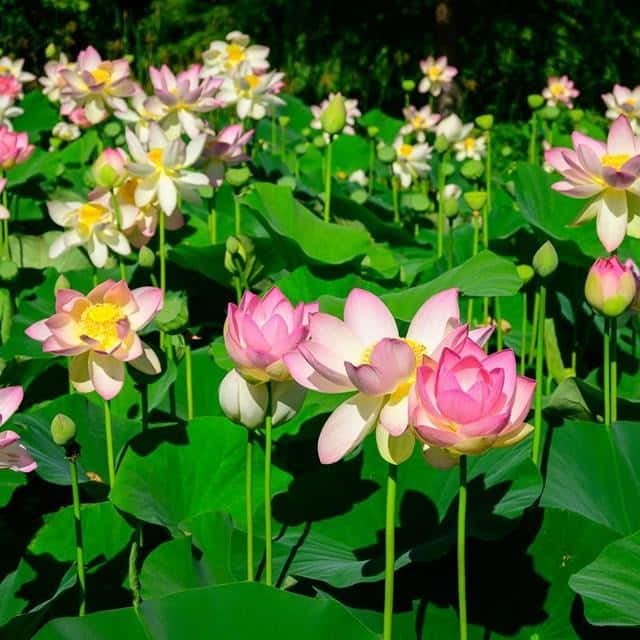
Lotus plants are aquatic perennials with large, rounded leaves and prominent flowers, often pink or white. They grow from underwater structures and produce leaves and flowers above the water surface.
- Blooming season: Generally warm-season flowering in suitable climates.
- Growing conditions: Warm, sunny conditions and an appropriately sized aquatic container or pond.
- Watering: Requires an aquatic growing environment rather than ordinary garden watering.
- Common uses: Water gardens, ornamental ponds, and cultural or ceremonial displays.
Lotus and water lilies are different plants, although both are popular aquatic flowers.
Quick comparison of popular flowers
Use this table to compare flower types before choosing plants for your garden or arrangements.
| Flower | Common colors | Typical flowering period | General growing preference |
|---|---|---|---|
| Rose | Red, pink, white, yellow | Spring to autumn for many varieties | Sun, well-drained soil |
| Tulip | Many colors | Spring | Sun, cool-season bulb growth |
| Lily | White, pink, orange, yellow | Late spring to summer for many types | Sun or partial shade |
| Sunflower | Mainly yellow, also other colors | Summer to autumn | Full sun |
| Orchid | Highly varied | Depends on species | Often bright, indirect light indoors |
| Daisy | White, yellow, and other colors by type | Spring to summer for many varieties | Usually sun |
| Marigold | Orange, yellow | Warm season | Full sun |
| Lavender | Purple, blue-violet, white, pink | Late spring to summer for many types | Sun, excellent drainage |
| Hibiscus | Red, pink, yellow, orange, white | Warm seasons for many types | Warmth and bright light |
| Peony | Pink, white, red | Spring to early summer | Sun, suitable seasonal climate |
| Daffodil | Yellow, white | Late winter to spring | Sun or partial shade |
| Zinnia | Many colors | Summer to autumn | Full sun |
| Pansy | Purple, yellow, blue, white | Cool seasons | Sun or partial shade |
| Dahlia | Many colors | Summer to autumn | Sun, fertile soil |
| Hydrangea | White, pink, blue, purple | Usually summer | Often partial shade, consistent moisture |
Blooming periods are general examples, not fixed dates. Local temperatures, planting times, cultivar selection, and hemisphere affect flowering.
Types of Flowers by Color
Flower color is a useful way to choose plants for a garden theme, event, or floral arrangement. However, color availability differs between species and cultivated varieties.
Red flowers
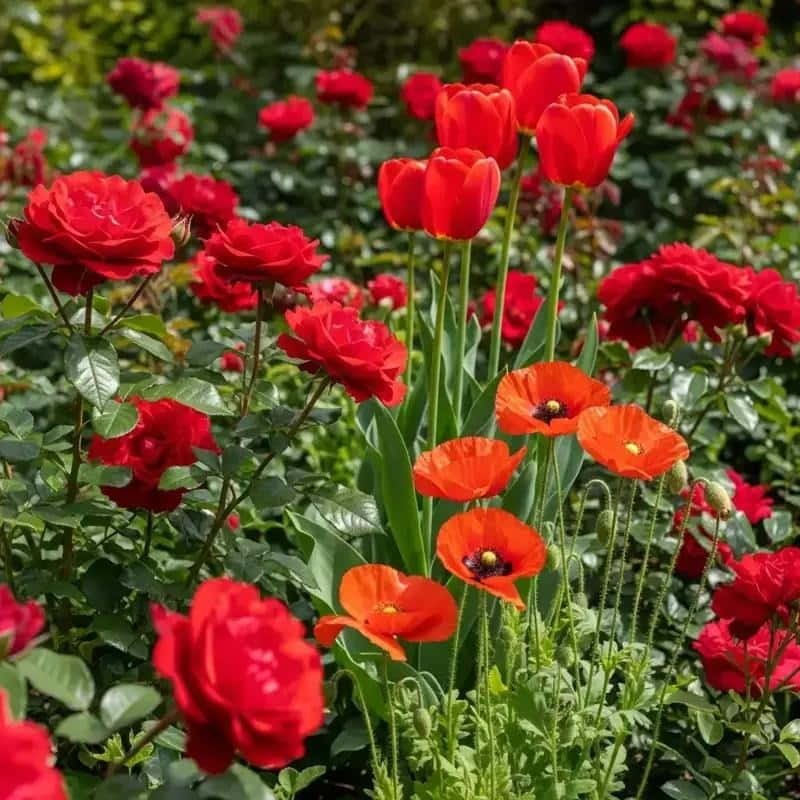
Red roses, red tulips, poppies, carnations, and geraniums are popular choices for bold garden displays and romantic bouquets. Pair them with white or green foliage for contrast.
Pink flowers
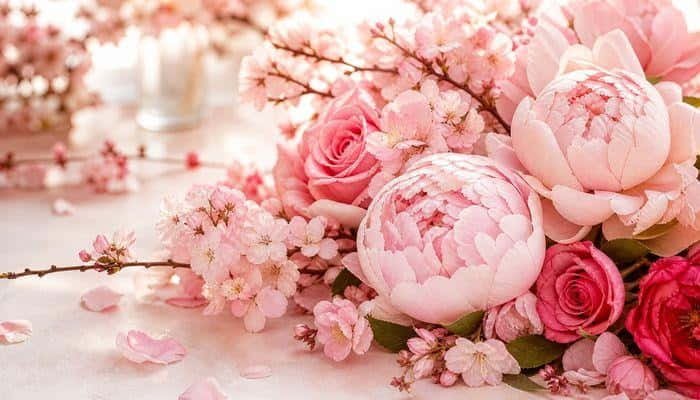
Pink peonies, roses, carnations, cosmos, and hydrangeas offer soft or vibrant shades. They work well in cottage gardens, wedding arrangements, and pastel color schemes.
White flowers
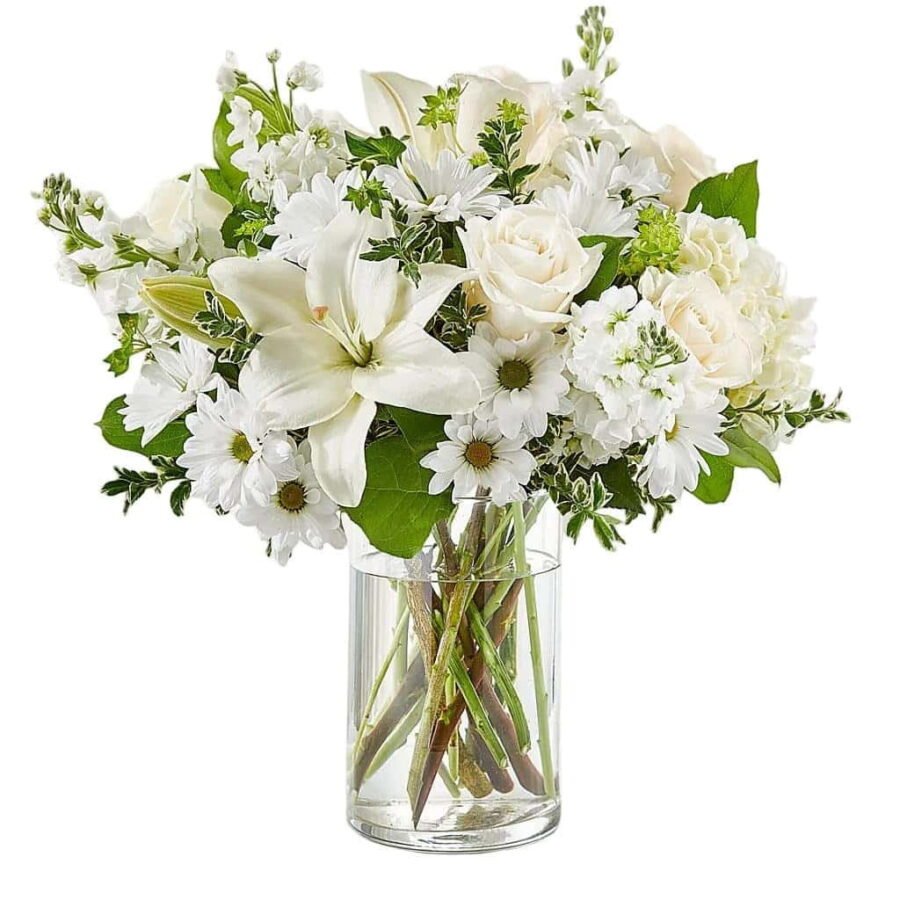
White lilies, daisies, jasmine, roses, and some orchids provide a clean appearance. White flowers also stand out in gardens during the evening.
Yellow flowers
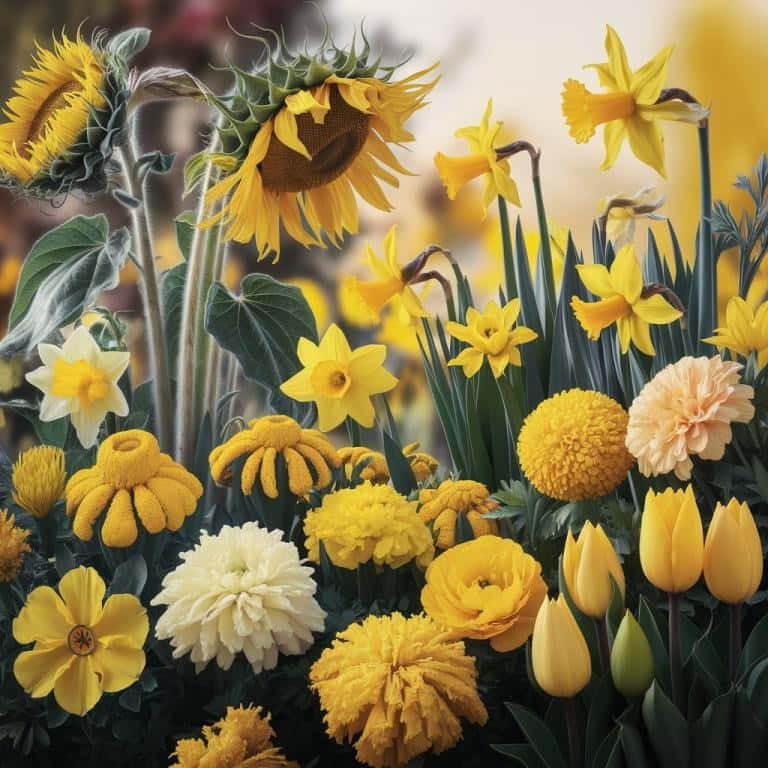
Sunflowers, daffodils, marigolds, and yellow tulips add bright color to beds and containers. Many yellow-flowering varieties are well suited to sunny locations.
Purple flowers
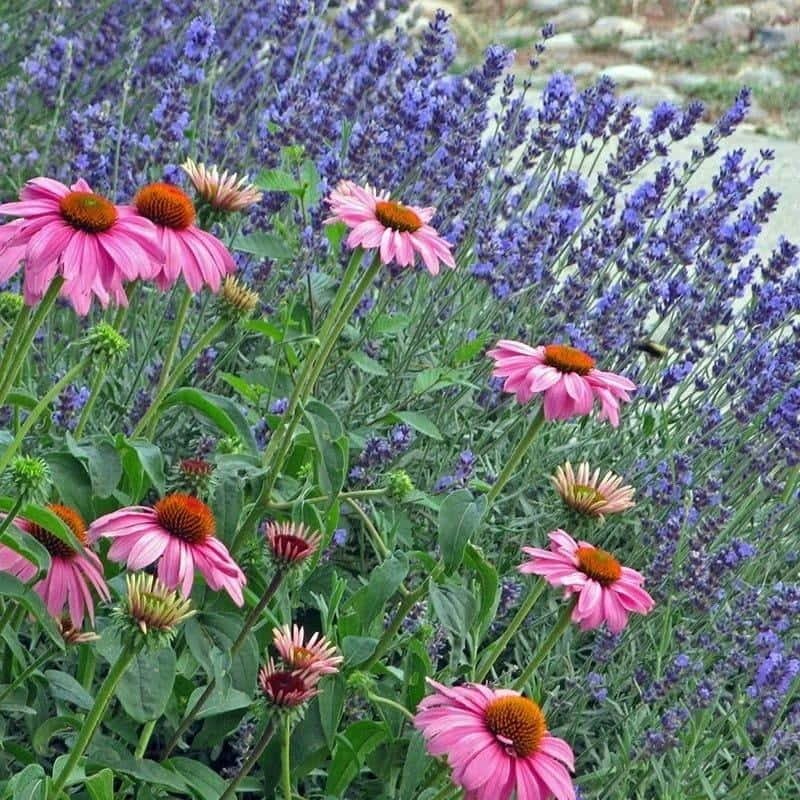
Lavender, irises, purple coneflowers, and some orchids provide a range of shades from pale lilac to deep violet. Combine different heights and flowering periods for a layered look.
Blue flowers
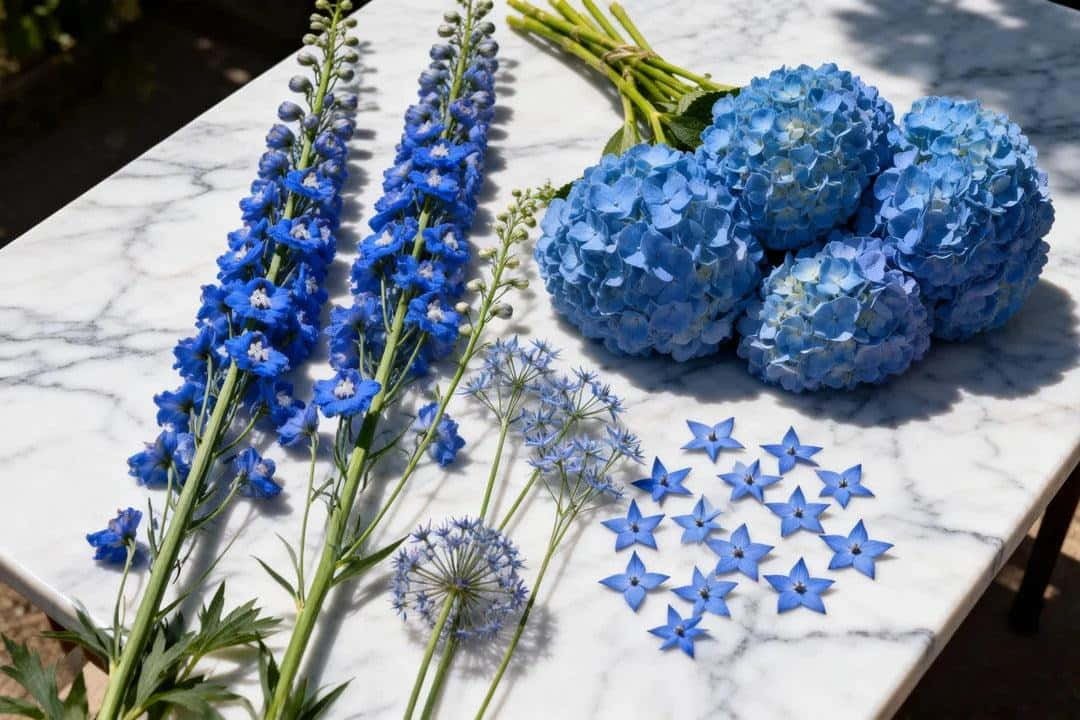
Blue hydrangea varieties, delphiniums, and certain irises are popular choices. True blue is relatively uncommon among flowers, and some plants described as blue are actually violet or blue-purple.
Orange flowers
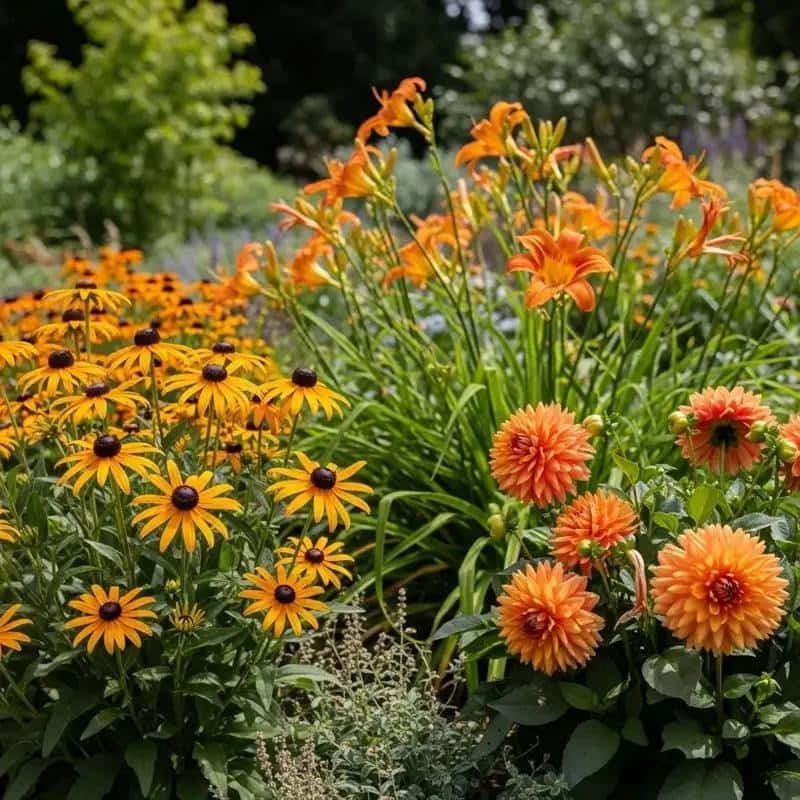
Orange lilies, marigolds, zinnias, and dahlias bring warm color to garden borders and seasonal arrangements.
Types of Flowers by Season
Flowering seasons vary by climate, altitude, and hemisphere. A flower that blooms in spring in a temperate region may flower during a different month in a tropical or subtropical region.
Spring flowers
Popular spring flowers include:
- Tulips
- Daffodils
- Irises
- Peonies
- Pansies
- Hyacinths
These flowers are often associated with fresh growth and seasonal garden color. Many spring bulbs are planted before their flowering season, and some need winter chilling.
Summer flowers
Common summer flowers include:
- Sunflowers
- Zinnias
- Marigolds
- Dahlias
- Cosmos
- Hibiscus
Many summer flowers thrive in bright light, but hot climates may require extra watering, afternoon shade, or varieties adapted to heat.
Autumn flowers
Autumn gardens can include:
- Chrysanthemums
- Asters
- Black-eyed Susans
- Some dahlias
- Late-season zinnias
Late-flowering plants can provide nectar and pollen when other flowers have finished blooming. A mix of species with different flowering periods can extend the season for pollinators.
Winter flowers
Depending on the local climate, winter-flowering choices may include:
- Hellebores in suitable temperate climates
- Pansies and violas in mild winters
- Paperwhite narcissus grown indoors
- Certain camellias
- Winter jasmine, depending on the species
There is no single flower that reliably blooms outdoors throughout winter in every climate. Match the plant to local temperatures and the timing of your growing season.
Annual vs. Biennial vs. Perennial Flowers
Flowers can also be classified by their life cycle. Understanding these categories helps you decide whether to replant every year or choose plants that return for multiple seasons.
Annual flowers
Annuals complete their life cycle in one growing season, from germination to seed production.
Examples: Marigolds, zinnias, sunflowers, and petunias.
Best for: Gardeners who want abundant seasonal color and enjoy changing their planting scheme each year.
Biennial flowers
Biennials typically complete their life cycle over two growing seasons. They often produce leaves in the first year and flowers and seeds in the second.
Examples: Foxgloves and many hollyhocks, depending on the species and cultivar.
Best for: Gardeners who want plants that establish foliage before producing flowers in a later season.
Perennial flowers
Perennials live for more than two years and can flower across multiple growing seasons when conditions are suitable.
Examples: Coneflowers, many irises, lavender, and peonies.
Best for: Long-term garden borders and planting schemes that do not need to be completely replanted every year.
These categories describe life cycles, not how long an individual flower stays open. Annuals often provide extended seasonal color, while many perennials flower during a shorter window each year. Some plants commonly treated as annuals in one climate may survive for years in a warmer climate.
Best Flowers for Gardens and Pots
The best flowers for your garden depend on sunlight, soil drainage, available space, and local weather. Before buying plants, check the mature size and growing requirements on the plant label.
| Growing location | Flowers to consider | What to consider |
|---|---|---|
| Sunny garden beds | Zinnias, marigolds, sunflowers | Sunlight, spacing, and soil drainage |
| Shaded garden areas | Begonias, some impatiens | Shade tolerance and moisture |
| Balcony containers | Petunias, geraniums, compact marigolds | Pot size, drainage, and wind |
| Hanging baskets | Trailing petunias, trailing begonias | Watering frequency and light |
| Cottage gardens | Roses, cosmos, sweet peas | Plant height, support, and flowering times |
| Long-term perennial borders | Coneflowers, irises, lavender | Local climate and mature spread |
| Warm-climate gardens | Suitable hibiscus varieties, heat-tolerant zinnias | Heat tolerance and water availability |
For containers, choose pots with drainage holes and use a suitable potting medium. Containers can dry out faster than garden soil, particularly in warm, windy weather.
How to choose flowers for your garden
- Check sunlight. Observe how much direct sun the area receives during the day.
- Consider the climate. Look for plants that tolerate your local summer heat, winter temperatures, and humidity.
- Prepare the soil. Most garden flowers need suitable drainage, but their preferences differ.
- Plan for different flowering periods. Combine plants that bloom at different times to extend seasonal color.
- Allow enough space. Consider the plant’s mature height and width rather than its size in the nursery pot.
For additional guidance, university extension resources offer useful advice on choosing and maintaining annuals and perennials.
Flowering Plants for Indoor Growing
Some flowering plants adapt well to indoor containers, provided they receive enough light, suitable temperatures, and appropriate watering. A bright windowsill or well-lit room is often more suitable than a dark corner.
Orchids
Popular for their long-lasting, elegant blooms. Many commonly sold moth orchids prefer bright, indirect light and a well-aerated orchid medium.
African violets (Streptocarpus ionanthus, formerly Saintpaulia ionantha)
Compact flowering plants that can bloom repeatedly with suitable light, temperature, and care. Avoid keeping their potting medium constantly soggy.
Kalanchoe
A flowering succulent with clusters of small blooms. It generally needs bright light and a freely draining potting mix.
Anthurium
Known for glossy foliage and colorful, heart-shaped flower-like structures. Many varieties prefer warmth, humidity, and bright indirect light.
Indoor flower care tips
- Place each plant where it receives the light its species requires.
- Check soil moisture before watering rather than following a rigid schedule.
- Use containers with adequate drainage.
- Avoid sudden temperature changes and cold drafts.
- Remove faded blooms when appropriate for the plant.
Light intensity and watering requirements vary among indoor flowering plants. A room that appears bright to people may still be too dim for some flowers to bloom reliably.
Best Flowers for Bouquets and Floral Arrangements
Cut flowers are selected for their appearance, stem strength, fragrance, availability, and ability to remain attractive after harvesting.
Popular flowers for bouquets include:
- Roses: Classic focal flowers for romantic and formal arrangements.
- Lilies: Large, dramatic blooms that create height and visual impact.
- Carnations: Ruffled petals and sturdy stems make them versatile fillers or focal flowers.
- Gerbera daisies: Bright colors and bold flower heads suit modern arrangements.
- Peonies: Full, layered blooms are popular for spring and early-summer weddings where available.
- Tulips: Smooth stems and simple shapes suit contemporary and seasonal bouquets.
- Chrysanthemums: Available in many forms and useful for adding volume and texture.
- Baby’s breath (Gypsophila spp.): Tiny flowers often used as a delicate filler.
For a balanced bouquet, combine focal flowers, smaller supporting blooms, and foliage. Choose flowers with compatible vase-life requirements, trim stems with a clean tool, and place them in a clean container with fresh water.
Flower availability is seasonal and depends on local production, imports, and florist supply. A flower that is expensive or difficult to source in one region may be common in another.
Flowers That Attract Bees and Butterflies
If you want to support pollinators, choose flowers that provide accessible nectar and pollen and bloom at different times of the year.
Flowers worth considering include:
- Lavender: Often attracts bees when its flowers are open.
- Coneflowers: Provide floral resources for bees and other visiting insects.
- Sunflowers: Their many small disk florets can provide pollen and nectar, depending on the variety.
- Zinnias: Open-centered varieties can be useful for visiting butterflies and other pollinators.
- Asters: Many late-flowering asters provide resources for pollinators in autumn.
- Cosmos: Open blooms can attract a variety of insects.
Choose plants suited to your region and, where possible, include locally native flowering species. Avoid spraying insecticides directly onto flowers visited by pollinators, and follow product labels and local guidance. A mixture of flower shapes and blooming periods can provide more consistent resources than planting only one variety.
Easy-to-Grow Flowers for Beginners
If you are new to gardening, start with flowers that suit your climate and available sunlight. Several common garden flowers are relatively straightforward to grow when their basic needs are met.
| Flower | Why beginners may like it | Main requirement |
|---|---|---|
| Marigold | Often grows readily from seed | Sun and well-drained soil |
| Zinnia | Fast-growing in warm weather | Full sun |
| Sunflower | Large, recognizable flowers | Sun and sufficient space |
| Cosmos | Often grows well in modest soil | Sun and reasonable drainage |
| Petunia | Useful for colorful containers | Sun and regular moisture |
| Pansy | Suitable for many cool-season displays | Cooler weather |
| Nasturtium | Often easy to start from seed | Sun to partial shade, depending on climate |
Simple tips for new gardeners
- Start with two or three varieties rather than planting everything at once.
- Follow seed-packet instructions for planting depth and spacing.
- Use healthy seeds or plants from a reputable nursery.
- Check moisture frequently during germination and establishment.
- Record when plants begin flowering so you can plan next season’s garden.
The easiest flower to grow is not the same for every gardener. A sun-loving annual may thrive in a sunny balcony pot but fail in a deeply shaded garden.
5. Frequently Asked Questions About Types of Flowers
1. What are the most popular types of flowers?
Some of the most popular flowers include roses, tulips, lilies, sunflowers, orchids, daisies, marigolds, carnations, chrysanthemums, and peonies. They are widely grown or used for gardens, bouquets, gifts, and decoration.
2. How many types of flowers are there?
There are hundreds of thousands of known flowering plant species, along with many cultivated varieties and hybrids. The exact number depends on how species and classifications are counted. Flowering plants, scientifically known as angiosperms, include trees, shrubs, herbs, and many other plants—not just ornamental garden flowers.
3. What are the easiest flowers to grow?
Marigolds, zinnias, sunflowers, and cosmos are good starting points for many beginners. Most grow best with suitable sunlight, well-drained soil, and appropriate watering. The best choice depends on your climate and growing space.
4. Which flowers bloom throughout the year?
No single flower blooms outdoors throughout the year in every climate. Some plants, including certain tropical hibiscus varieties, may flower for extended periods in warm conditions. Combining plants with different flowering seasons is a more reliable way to maintain garden color throughout the year.
5. What are the different colors of flowers?
Flowers occur in red, pink, white, yellow, orange, purple, blue, greenish, and multicolored forms. Available colors vary by species and cultivar. For example, roses occur in several colors, while naturally occurring blue flowers are less common than white, yellow, or pink ones.
6. Which flowers are best for gardens?
Roses, marigolds, zinnias, sunflowers, lavender, coneflowers, and petunias are popular garden choices. Select plants according to sunlight, soil drainage, water availability, mature size, and local climate rather than appearance alone.
7. What is the difference between annual and perennial flowers?
Annual flowers complete their life cycle in one growing season and generally need to be replanted. Perennial plants live for more than two years and can return in subsequent growing seasons under suitable conditions. Biennials typically complete their life cycle over two growing seasons.
8. Which flowers are best for growing indoors?
Orchids, African violets, kalanchoes, and anthuriums are popular indoor flowering plants. Each has different requirements for light, watering, temperature, and humidity, so choose one that matches the conditions in your home.