Tulips are among the most recognizable spring flowers, admired for their elegant shapes, vibrant colors, and versatility in gardens and floral arrangements. Whether you want to grow tulips at home, decorate your garden, or choose a beautiful bouquet, understanding their varieties and growing requirements can help you get the most from these popular flowers.
A tulip is a flowering plant in the genus Tulipa, grown from bulbs and known for its distinctive blooms. Tulips come in many colors and flower forms, and most garden varieties bloom in spring. With the right bulbs, suitable growing conditions, and proper care, you can enjoy a colorful tulip display in garden beds or containers.
What Is a Tulip?
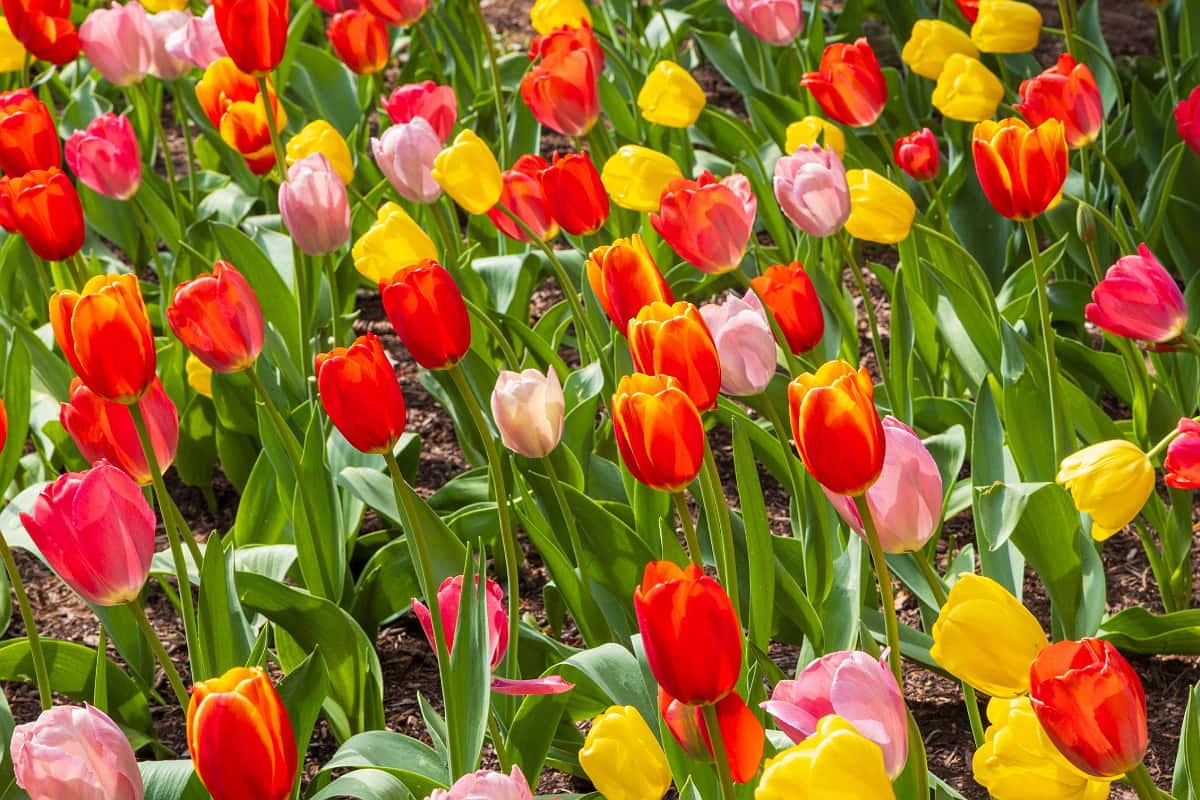
A tulip is a bulb-growing ornamental plant belonging to the lily family, Liliaceae. Its botanical genus is Tulipa, which includes many species and cultivated varieties with different flower shapes, heights, and colors.
Tulips typically produce upright stems, broad green leaves, and flowers with smooth or decorative petals. Depending on the variety and climate, they can bloom in early, mid, or late spring.
The main characteristics of tulip flowers include:
- Distinctive blooms: Many tulips have cup-shaped flowers, while others feature fringed, pointed, double, or curved petals.
- Wide color selection: Common colors include red, pink, yellow, white, orange, purple, and multicolored combinations.
- Bulb-based growth: Tulips grow from underground bulbs that store nutrients for future growth.
- Seasonal flowering: Most popular garden tulips bloom during spring.
- Decorative uses: They are suitable for flower beds, borders, pots, and cut-flower arrangements.
Tulips are especially useful for gardeners who want seasonal color before many summer-flowering plants begin to bloom.
History and Origin of Tulips
Tulips have a long history in cultivation and are associated with regions across Central Asia and the broader areas surrounding Turkey. They later became particularly prominent in Ottoman gardens before gaining widespread popularity in Europe.
The Netherlands became strongly associated with tulip cultivation and the international flower trade. Today, Dutch-grown tulips are widely recognized, and the flower is an important part of the country’s horticultural identity.
Tulips are now cultivated in many parts of the world. Gardeners and flower growers select different varieties according to their climate, growing season, and intended use.
Although tulips are often associated with Dutch landscapes, their botanical history extends well beyond the Netherlands.
Different Types of Tulip Flowers
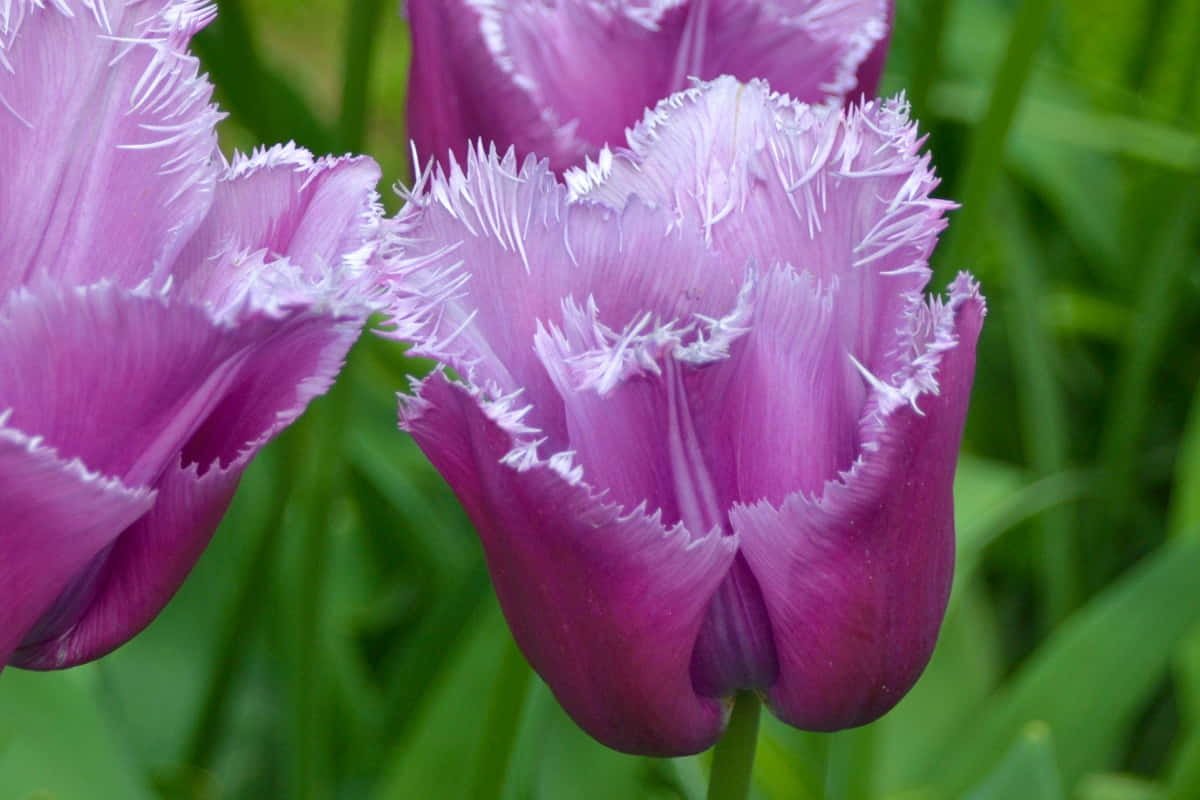
Tulip varieties differ in flowering time, petal shape, height, and suitability for gardens or containers. Choosing the right variety can help you create a more attractive display and extend the flowering season.
1. Single Early Tulips
Single early tulips produce classic, cup-shaped flowers and generally bloom early in the tulip season. Their relatively compact growth makes them useful for borders, garden beds, and containers.
They are suitable for gardeners who want an early burst of spring color.
2. Darwin Hybrid Tulips
Darwin hybrid tulips are known for their large flowers and strong stems. Many varieties are valued for their garden performance and potential to flower again in subsequent years when conditions are suitable.
They can work well in larger flower beds and landscape displays.
3. Double Tulips
Double tulips have extra petals that give their flowers a fuller appearance. Some resemble peonies, making them popular for ornamental gardens and decorative arrangements.
Their heavy blooms may benefit from a sheltered position in windy gardens.
4. Lily-Flowered Tulips
Lily-flowered tulips have slender, pointed petals that curve outward at the tips. Their elegant shape makes them a useful choice for formal flower beds and cut-flower displays.
5. Fringed Tulips
Fringed tulips have finely cut or crystal-like edges along their petals. This distinctive texture adds interest to mixed plantings and decorative pots.
6. Parrot Tulips
Parrot tulips feature large, irregular petals with ruffled edges and striking color patterns. Their unusual shapes make them stand out in flower beds and bouquets.
7. Species Tulips
Species tulips are generally closer to wild tulip species than many highly bred garden varieties. Some are shorter and may naturalize or multiply under favorable conditions.
They can be useful for rock gardens and less formal plantings, depending on the species.
Tulip classifications and flowering times vary by cultivar. When choosing bulbs, check the supplier’s description for mature height, bloom period, and local growing requirements.
Popular Tulip Colors and Their Meanings
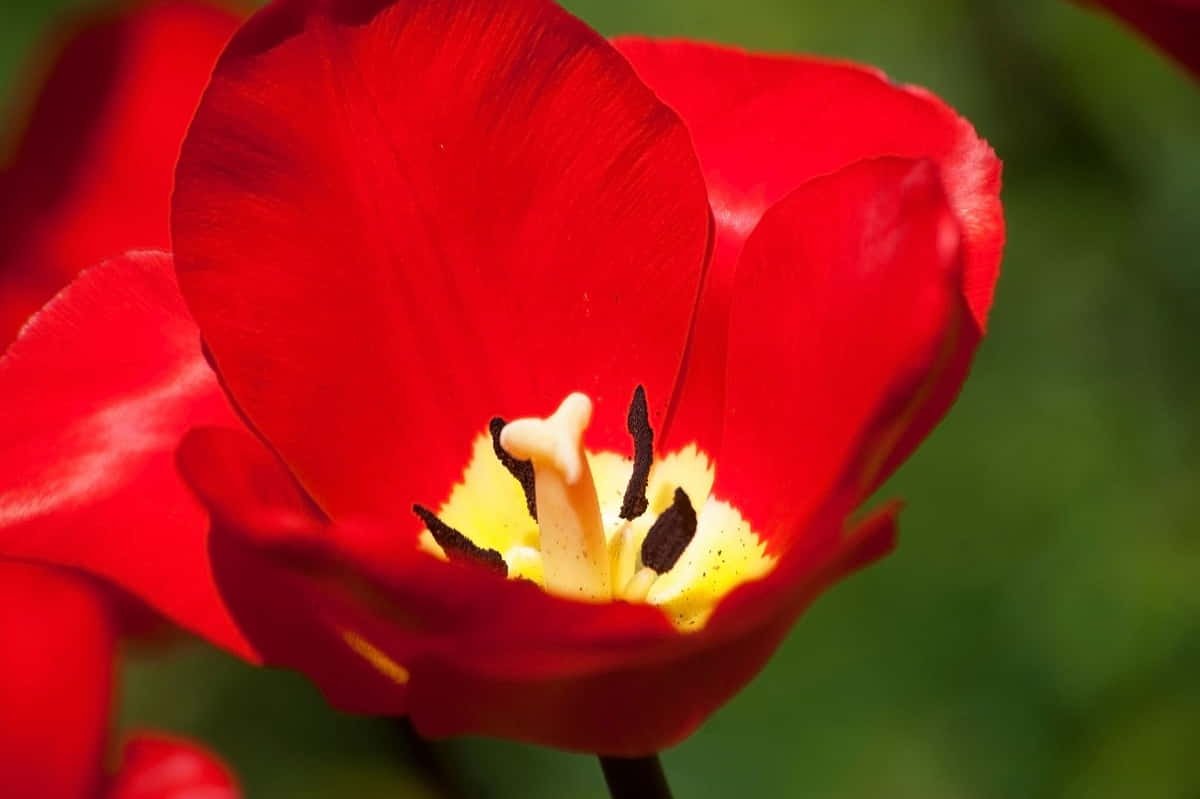
Tulips are available in a wide range of colors, making them suitable for different occasions, garden designs, and floral arrangements. Flower meanings are cultural associations rather than universal rules, but they can help guide your choice.
| Tulip color | Common symbolic association |
|---|---|
| Red | Love and romantic affection |
| Pink | Care, appreciation, and affection |
| Yellow | Cheerfulness and friendship |
| White | Forgiveness, remembrance, or sincerity |
| Purple | Royalty and elegance |
| Orange | Energy and enthusiasm |
| Mixed colors | Celebration and variety |
Red tulips are often chosen for romantic occasions, while yellow and orange varieties can bring a bright, cheerful feeling to spring displays. White tulips may suit simple, understated arrangements.
Meanings vary between traditions and floral guides, so choose a color that fits the recipient and occasion rather than treating any symbolism as fixed.
When Is the Best Time to Plant Tulips?
For most traditional garden tulips, the ideal planting time is autumn, before the ground freezes. Planting during this period allows the bulbs to establish roots before their spring growth begins.
However, the best tulip planting season depends on your local climate.
- Cold-winter climates: Plant bulbs in autumn, following local guidance on soil temperature and planting dates.
- Mild-winter climates: Tulips may need a period of artificial chilling before planting to encourage flowering.
- Warm climates: Select varieties suited to your conditions and follow the bulb supplier’s chilling recommendations. Tulips may perform poorly where winters do not provide sufficient cooling.
If you live in a region with hot summers and mild winters, do not assume that the standard autumn planting calendar will work exactly as it does in northern Europe. Bulb chilling, drainage, and local temperatures can make a significant difference.
For the best results, buy firm, healthy bulbs and plant them at the recommended time for your area.
How to Grow Tulips at Home
Growing tulips at home is manageable when you choose suitable bulbs and provide adequate drainage, light, and water. You can plant them in garden beds, borders, or containers.
Choosing the Right Tulip Bulbs
Start with healthy tulip bulbs from a reputable garden supplier.
Look for bulbs that are:
- Firm and reasonably heavy for their size.
- Free from soft spots, mold, and obvious damage.
- Appropriate for your local climate.
- Labeled with the variety name and planting instructions.
Larger, healthy bulbs often produce stronger flowers, although results also depend on variety and growing conditions.
Avoid planting bulbs that appear rotten, badly shriveled, or damaged.
Selecting the Ideal Soil
Tulips need soil or potting compost that drains well. Waterlogged conditions can cause bulbs to rot, especially during their dormant period.
For garden beds, improve heavy soil with suitable organic matter and other amendments appropriate to your soil type. For pots, use a quality potting mix that allows excess water to drain freely.
Choose a site with plenty of sunlight during the growing season. Some tulip varieties tolerate light shade, but insufficient light can affect growth and flowering.
Planting Tulip Bulbs Correctly
Follow these steps to plant tulip bulbs:
- Choose a sunny or appropriately lit location with good drainage.
- Prepare the soil by loosening it and removing weeds.
- Plant each bulb with its pointed end facing upward.
- As a general guideline, plant bulbs at a depth of about two to three times their height.
- Leave space between bulbs according to their size and the variety’s instructions.
- Cover the bulbs with soil or potting mix and water as needed.
For a fuller visual display, plant tulips in groups instead of scattering single bulbs widely across a large bed.
The recommended planting depth and spacing may vary by bulb size, soil, and climate, so follow the supplier’s instructions when available.
Watering and Sunlight Requirements
Tulips need enough moisture to develop roots and support healthy growth, but excessive water can damage the bulbs.
Use these guidelines:
- Water after planting if the soil is dry.
- Keep the growing medium lightly moist during active growth.
- Water container-grown tulips when the upper layer of compost begins to dry.
- Ensure pots have drainage holes.
- Avoid leaving containers standing in water.
- Provide suitable sunlight for the selected variety.
During hot weather, monitor pots more frequently because their soil can dry faster than garden beds.
Fertilizing and Maintaining Tulips
Healthy soil and appropriate bulb selection are important foundations for growing tulips. Fertilizer may help when soil nutrients are insufficient, but excessive feeding is not necessary and can damage plants.
Follow the product label if using a bulb fertilizer, and avoid placing concentrated fertilizer directly against bulbs.
Remove weeds that compete for water and nutrients. Inspect leaves and flowers regularly for damage, discoloration, or signs of disease.
For reliable results, combine appropriate feeding with good drainage and watering rather than relying on fertilizer alone.
How to Care for Tulips After Blooming
Proper care after flowering helps tulip bulbs store energy for future growth. Although many garden tulips are treated as seasonal plants, some varieties can bloom again in later years when growing conditions are favorable.
Follow these steps after the flowers fade:
- Remove faded flowers. Cut off the spent flower head to prevent seed formation if you do not intend to collect seeds.
- Keep the leaves intact. Allow the green foliage to continue photosynthesizing and supplying energy to the bulb.
- Water appropriately. Continue watering while the leaves remain green if the soil becomes dry, but avoid waterlogged conditions.
- Wait for the foliage to yellow. Do not cut the leaves back while they are still green.
- Lift and store bulbs if necessary. In climates with wet summers or where bulbs are unlikely to flower reliably again, lift them after the foliage has died back. Dry and store healthy bulbs in a suitable ventilated location until the next planting season.
Tulips do not all return equally well. Some cultivated varieties flower reliably for only one season, while certain Darwin hybrids and species tulips may persist longer.
How Long Do Tulips Last?
The lifespan of a tulip depends on whether you mean the individual flower, the plant’s seasonal growth, or the bulb’s ability to produce flowers in future years.
- Individual flowers: Often remain attractive for several days to around two weeks, depending on temperature, variety, and growing conditions.
- Flowering season: Individual plants usually flower for a relatively short period, but planting early-, mid-, and late-season varieties can extend the overall display.
- Bulb lifespan: Some tulip bulbs can produce flowers for multiple years, although many modern garden varieties perform best in their first season.
Cooler weather often helps tulip flowers last longer, while heat can accelerate fading. For a longer garden display, choose varieties with different flowering times rather than relying on a single cultivar.
Can Tulips Grow in Pots?
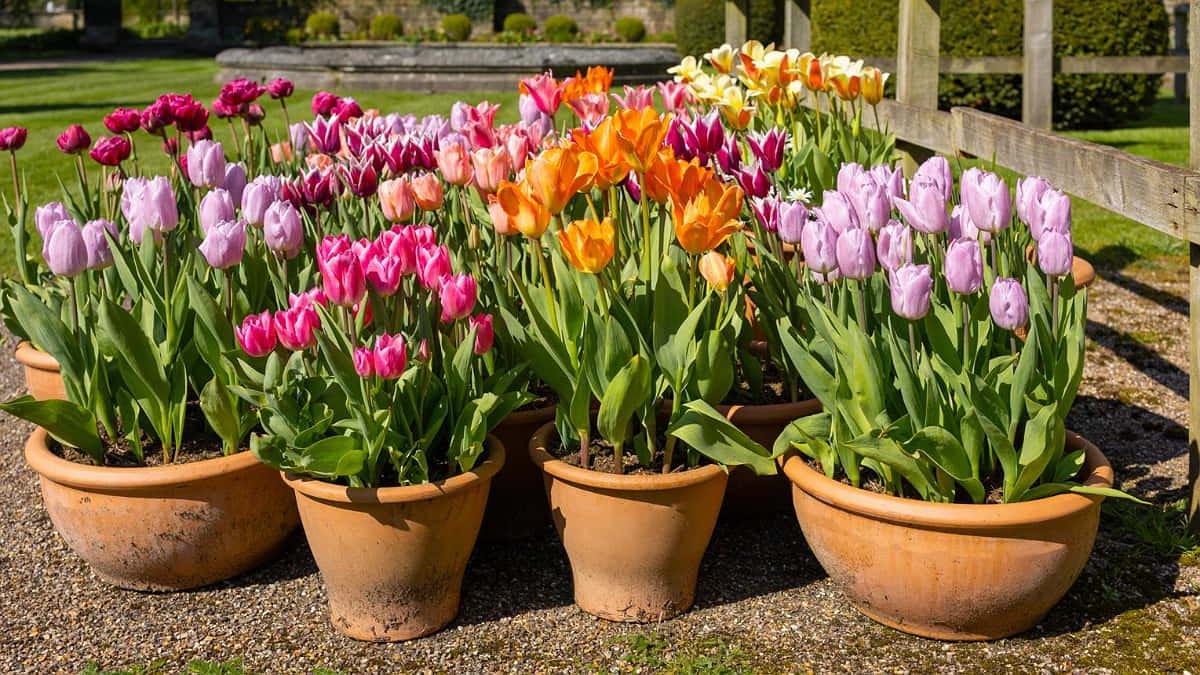
Yes, tulips can grow successfully in pots, provided the containers offer sufficient depth, good drainage, and suitable growing conditions.
Container gardening is useful if you have a small garden, balcony, patio, or limited outdoor space.
To grow tulips in pots:
- Choose a container with drainage holes.
- Fill it with a well-draining potting mix.
- Arrange healthy bulbs with their pointed ends facing upward.
- Follow the recommended planting depth and spacing for your bulb size.
- Water the pot after planting if needed.
- Place it in a location that meets the variety’s light and temperature requirements.
- Protect the container from excessive rain and prolonged waterlogging.
For a fuller display, you can plant several bulbs in one container, leaving enough room for the bulbs and their roots.
In regions with mild winters, tulips grown in pots may need pre-chilled bulbs or another suitable cooling arrangement. Check the requirements of the variety before planting.
Common Tulip Growing Problems
Even healthy tulip bulbs can encounter problems if the soil, temperature, or watering routine is unsuitable.
| Problem | Possible cause | What to do |
|---|---|---|
| Tulips do not flower | Insufficient chilling, weak bulbs, or unsuitable growing conditions | Check bulb quality and climate requirements |
| Bulbs rot | Waterlogged soil or poor drainage | Improve drainage and discard rotten bulbs |
| Short stems | Variety characteristics, mild winter conditions, or late planting | Review the variety’s requirements and planting schedule |
| Yellowing leaves after flowering | Natural seasonal decline | Allow foliage to yellow naturally before removal |
| Damaged leaves or flowers | Pests, disease, or environmental stress | Inspect plants and identify the cause before treatment |
| Bulbs fail to return | Variety limitations or unsuitable summer conditions | Choose varieties suited to your climate |
Tulips may be affected by aphids, slugs, fungal diseases, and bulb rot. If you notice unusual spotting, streaking, or distorted growth, remove affected plant material when appropriate and seek reliable identification before applying a treatment.
Conclusion
Tulips are versatile flowering plants that bring color and seasonal interest to gardens, patios, and indoor floral arrangements. Their wide selection of varieties, shapes, and colors makes it possible to create displays that suit different gardening styles.
To grow healthy tulips, choose suitable bulbs, plant them at the right time for your climate, use well-draining soil, and provide appropriate light and moisture. After flowering, care for the foliage properly and remember that not every variety will bloom reliably in subsequent years.
Whether you prefer red tulips for a romantic bouquet or a colorful mixture for your garden, understanding the basics of tulip care will help you make better choices and enjoy these beautiful spring flowers.
5. Frequently asked questions about tulips
1. What is a tulip?
A tulip is a flowering bulb plant in the genus Tulipa. It is widely grown for its colorful blooms and is commonly associated with spring gardens and floral arrangements.
2. When should tulip bulbs be planted?
Tulip bulbs are generally planted in autumn in climates with cold winters. In warmer regions, pre-chilling may be necessary, and the planting schedule should reflect local conditions.
3. How do you care for tulip flowers?
Provide suitable sunlight, well-draining soil, and adequate water during active growth. Remove faded flowers if desired, but leave green leaves intact until they turn yellow.
4. Can tulips grow in hot climates?
Tulips can be challenging to grow in hot climates because many varieties need a period of winter chilling. Select suitable varieties, follow chilling instructions, and avoid excessive heat and moisture.
5. How long do tulips bloom?
An individual tulip flower may remain attractive for several days to around two weeks, depending on the variety and weather. Different cultivars flower at different times during spring.
6. Can tulips grow indoors?
Yes. Tulips can be grown indoors in containers when their bulbs receive the required cooling period and suitable light and temperature conditions. Forced bulbs are often grown for seasonal indoor displays.
7. Do tulips come back every year?
Some tulips return and flower for several years, but many modern garden varieties produce their most reliable display in the first year. Climate, drainage, and bulb care influence repeat flowering.
8. What do different tulip colors mean?
Red tulips are often associated with love, pink with affection, yellow with cheerfulness, and white with forgiveness or sincerity. These meanings vary across cultures and traditions.