The lily is one of the most beautiful and recognizable flowering plants, admired for its elegant petals, vibrant colors, and often delightful fragrance. From classic white lilies to bright orange and pink varieties, these flowers bring beauty and sophistication to gardens, flower beds, and floral arrangements.
Lilies are popular among gardeners because many varieties produce striking blooms with relatively straightforward care requirements. However, choosing the right type, providing suitable growing conditions, and understanding seasonal maintenance are essential for healthy plants and abundant flowers.
Whether you are a beginner or an experienced gardener, this guide explains the different types of lilies, how to plant and grow them, their sunlight and watering requirements, and practical tips for maintaining healthy blooms.
What Is a Lily?
A lily is a flowering plant belonging to the genus Lilium, within the family Liliaceae. True lilies generally grow from bulbs and produce upright stems with attractive leaves and prominent flowers.
Their blooms can be trumpet-shaped, bowl-shaped, or outward-facing, depending on the variety. Lily flowers appear in several colors, including white, yellow, pink, red, orange, and combinations of these shades.
Many lilies are grown in gardens because of their decorative appearance, while others are popular as cut flowers for bouquets and floral arrangements.
One important distinction: Not every plant commonly called a lily is a true lily. Daylilies belong to the genus Hemerocallis, while peace lilies belong to the genus Spathiphyllum. These plants have different growing requirements.
Popular Types of Lily Flowers
Choosing the right lily depends on your climate, garden space, preferred flower color, and fragrance preferences.
Here are some popular types of true lilies to consider.
1. Asiatic Lilies
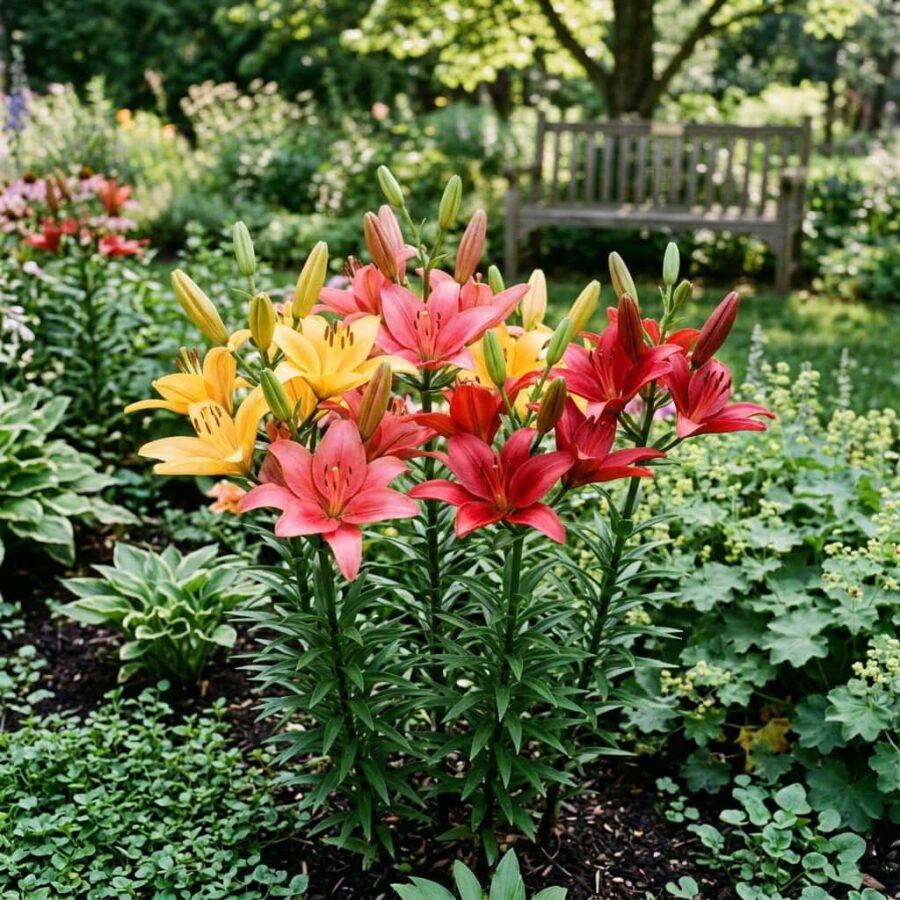
Asiatic lilies are among the easiest lilies to grow, making them an excellent choice for beginners.
They produce vibrant flowers in colors such as yellow, orange, red, pink, and white. Most have little or no fragrance, which can be an advantage for gardeners who prefer colorful flowers without a strong scent.
Key characteristics:
- Bright, varied flower colors
- Generally easy to grow
- Usually bloom in early to midsummer
- Suitable for garden beds and containers
- Typically require well-draining soil
Asiatic lilies are a practical choice for adding color to sunny garden spaces.
2. Oriental Lilies
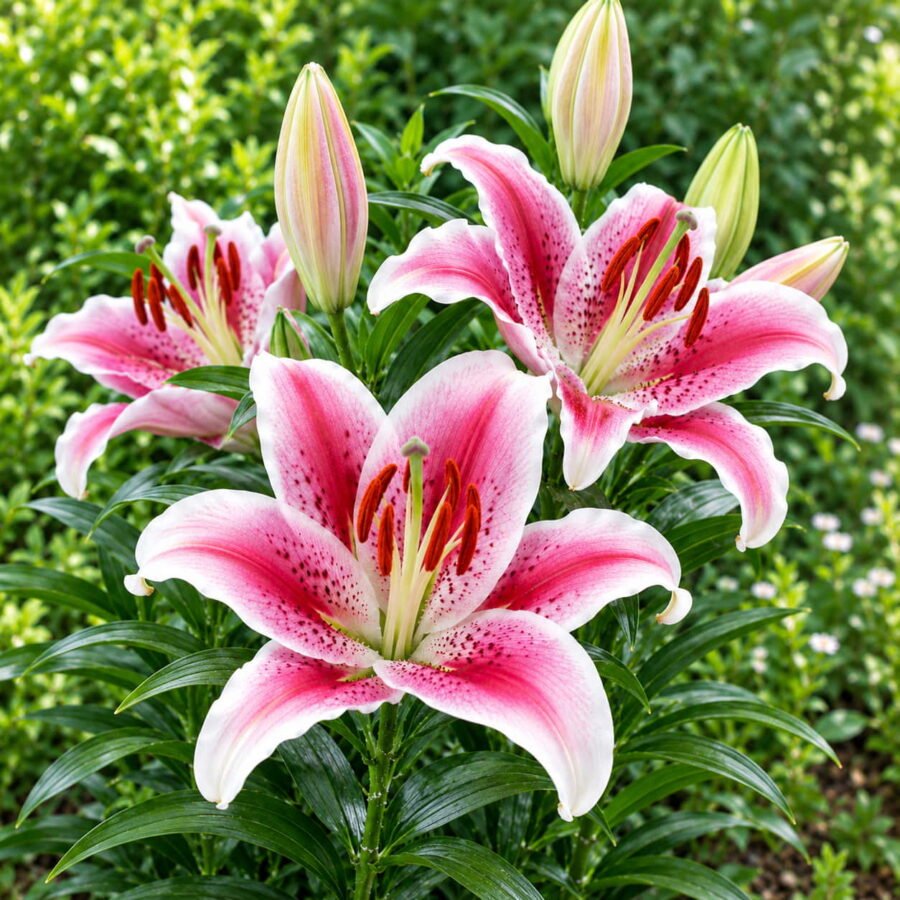
Oriental lilies are especially popular for their large flowers, rich fragrance, and elegant appearance.
Their blooms commonly feature white, pink, or red tones, sometimes with contrasting spots or stripes. Many varieties flower in midsummer or later, depending on the climate and cultivar.
Key characteristics:
- Large, showy flowers
- Often strongly fragrant
- Typically bloom in midsummer to late summer
- Prefer well-draining soil rich in organic matter
- Suitable for ornamental gardens and cut-flower arrangements
Oriental lilies can make an impressive focal point in a flower bed.
3. Trumpet Lilies
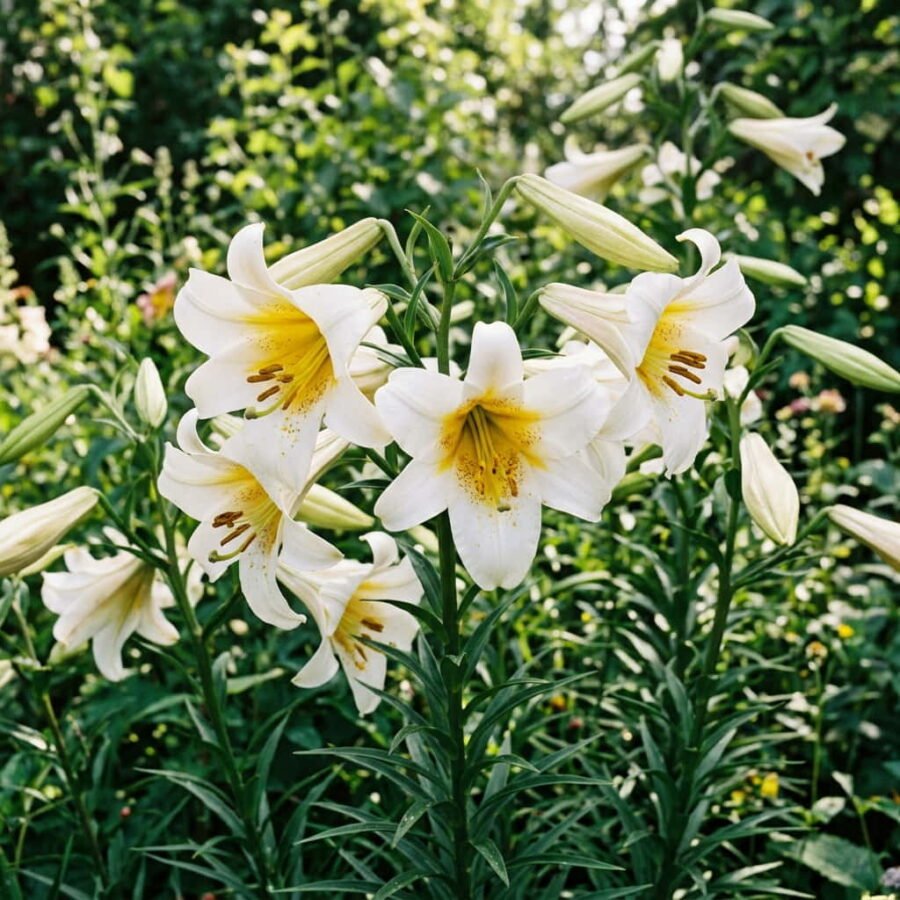
Trumpet lilies produce long, trumpet-shaped flowers that often face outward or downward. Their blooms are frequently fragrant and appear on tall stems.
Common flower colors include white, cream, yellow, and pale pink.
Key characteristics:
- Long, trumpet-shaped blooms
- Often have a strong fragrance
- Can grow quite tall
- Generally flower in midsummer
- Benefit from sheltered positions where tall stems are protected from strong winds
These lilies work particularly well toward the back of a flower border.
4. Martagon Lilies
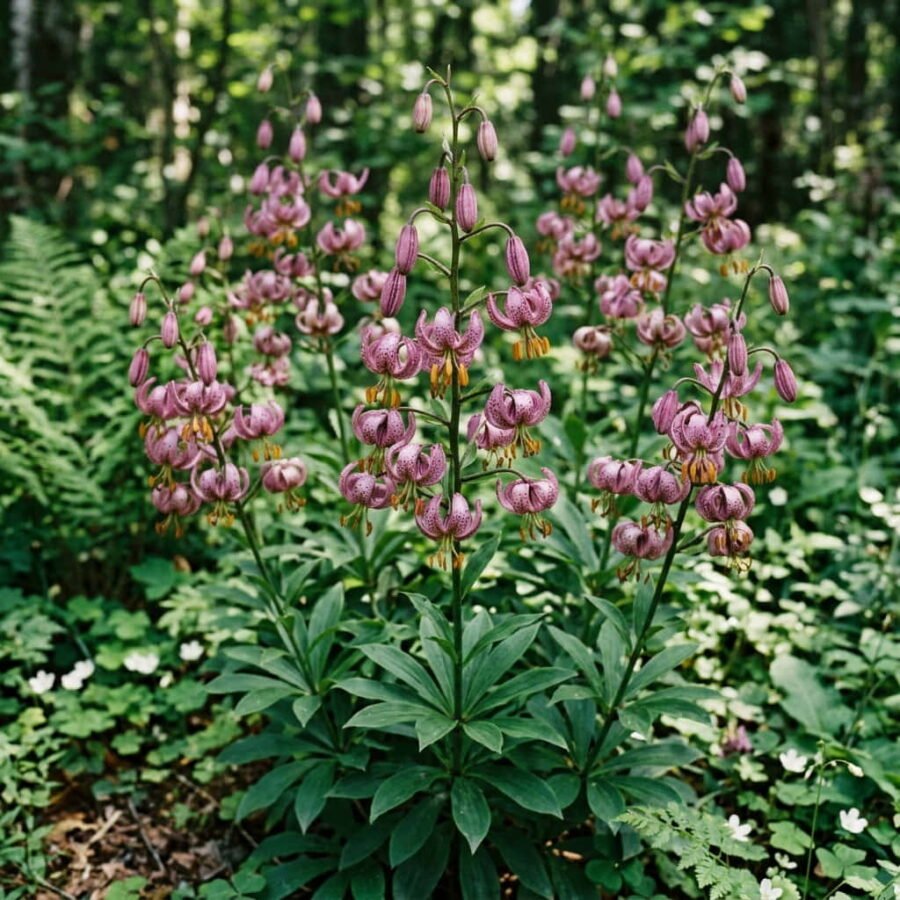
Martagon lilies are distinctive because their petals curve backward, creating a graceful, downward-facing flower.
They often grow well in gardens with partial shade and can be useful in woodland-style planting schemes.
Key characteristics:
- Curved-back petals
- Smaller, numerous flowers along tall stems
- Often feature spotted petals
- Generally prefer cool, partially shaded conditions
- May take time to establish after planting
Martagon lilies are a good option for gardeners looking for an unusual flower form.
5. Longiflorum Lilies
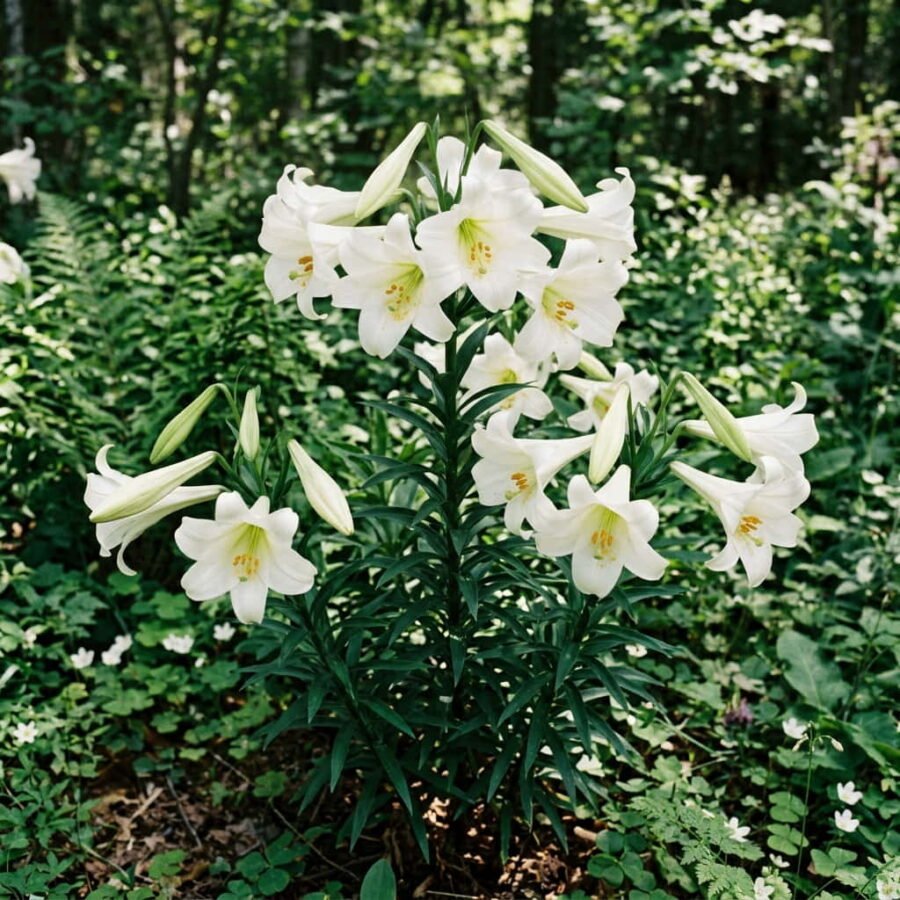
Longiflorum lilies are known for their elegant, elongated white flowers and pleasant fragrance.
They are widely associated with Easter lily varieties and are often grown in containers or used in floral displays.
Key characteristics:
- Long, trumpet-shaped white flowers
- Fragrant blooms
- Elegant appearance
- Require suitable growing conditions and good drainage
- Can be grown in containers or garden beds where the climate permits
Choose a variety suited to your local growing conditions for the best results.
6. Tiger Lilies
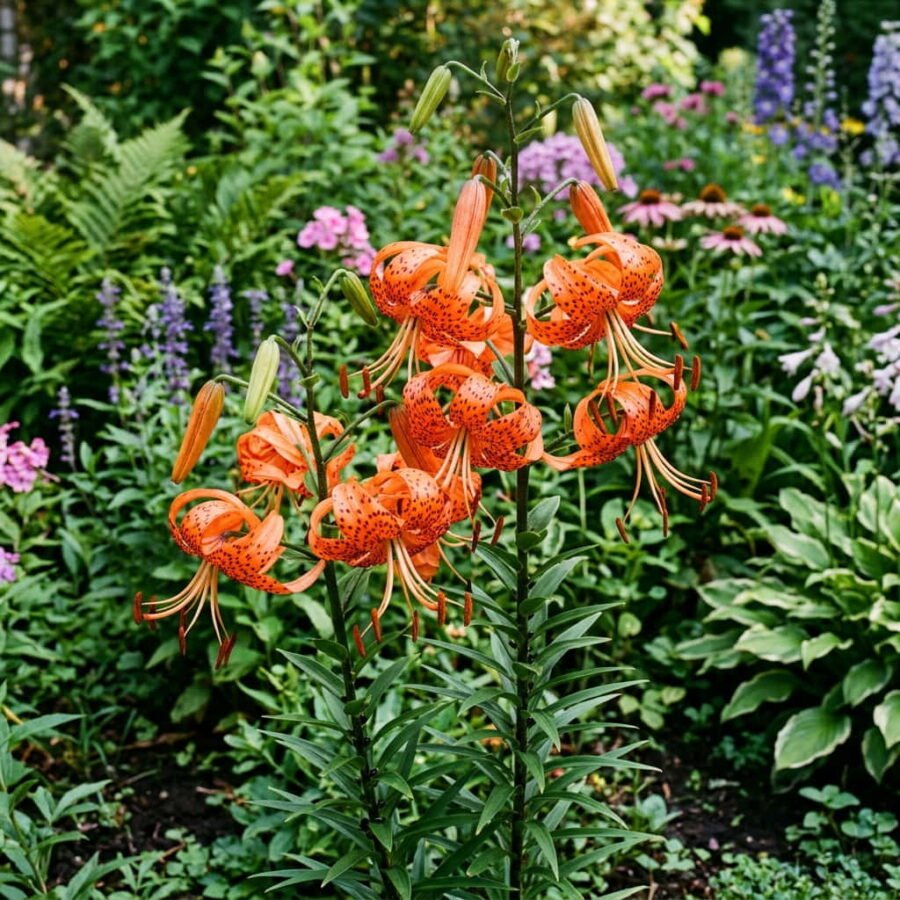
Tiger lilies are recognizable by their orange flowers decorated with dark spots.
They are eye-catching plants that can add contrast to mixed flower borders. Some plants sold under the common name tiger lily may differ botanically, so check the plant label when purchasing bulbs.
Key characteristics:
- Often orange flowers with dark spots
- Distinctive, recurved petals
- Suitable for ornamental planting
- Usually flower in summer
- Need adequate space for their mature height and spread
Tiger lilies are especially appealing to gardeners who enjoy bold flower patterns.
Lily Flower Colors and Their Appeal
Lily flowers are available in many colors, allowing gardeners to coordinate them with different garden designs.
| Lily Flower Color | Appearance | Common Garden Use |
|---|---|---|
| White | Clean and elegant | Formal gardens and mixed borders |
| Pink | Soft and decorative | Cottage gardens and flower beds |
| Yellow | Bright and cheerful | Sunny borders and colorful displays |
| Orange | Bold and energetic | Statement planting |
| Red | Rich and dramatic | High-contrast garden designs |
| Purple or deep pink | Distinctive and striking | Decorative garden combinations |
Actual color availability depends on the species and cultivar.
When choosing lilies, consider how their colors will complement nearby flowers and foliage.
How to Plant Lily Bulbs
Planting lilies correctly helps them establish strong roots and produce healthy flowers.
Step 1: Choose Healthy Bulbs
Select firm, healthy lily bulbs without obvious signs of rot, mold, or serious damage.
Lily bulbs do not have the protective papery covering found on many other flowering bulbs, so they should not be allowed to dry out excessively before planting.
Purchase bulbs from a reputable supplier and follow the planting instructions for the particular variety.
Step 2: Select the Right Location
Most garden lilies grow best in a location with several hours of sunlight each day.
Many varieties prefer full sun or partial shade, although requirements vary by species and climate. In hot climates, some lilies benefit from protection from intense afternoon sunlight.
Choose a site with good air circulation to help keep the foliage healthy.
Step 3: Prepare the Soil
Lilies generally require well-draining soil. Waterlogged soil can cause bulbs and roots to rot.
Before planting:
- Loosen the soil.
- Remove weeds and large stones.
- Add organic matter if the soil structure needs improvement.
- Improve drainage where necessary.
- Check the preferred soil conditions for your lily variety.
Avoid planting lilies in places where water collects after rain.
Step 4: Plant at the Appropriate Depth
Planting depth depends on the lily species, bulb size, and local growing conditions.
As a general guideline, many true lily bulbs are planted approximately 4–6 inches deep, but some varieties require different depths. Always check the supplier’s instructions.
Space bulbs far enough apart to allow mature plants to develop without excessive crowding.
Step 5: Water After Planting
Water the planting area after placing the bulbs in the soil.
Keep the soil moderately moist while the plants establish, but avoid excessive watering.
If planting in containers, use pots with drainage holes and a suitable potting mix.
How Much Sunlight Does a Lily Need?
Sunlight requirements vary among lily varieties, but many garden lilies perform well with approximately six hours of sunlight daily.
Some varieties tolerate partial shade, particularly in warmer climates.
For healthy growth:
- Choose a location that receives suitable sunlight for your variety.
- Avoid deep shade if it prevents flowering.
- Protect plants from excessive heat when necessary.
- Provide enough light to support strong stems and flower development.
In hot regions, morning sunlight combined with some afternoon protection may help reduce heat stress.
Remember that sunlight needs depend on the species, local climate, and season.
How Often Should You Water Lilies?
Lilies prefer consistently moist but well-drained soil during active growth.
The correct watering frequency depends on temperature, rainfall, soil type, container size, and plant maturity.
Follow these watering guidelines:
- Check the soil before watering.
- Water when the upper layer begins to dry, while ensuring the root zone does not remain waterlogged.
- Water near the base of the plant when practical.
- Reduce watering when the plant is dormant and no longer actively growing.
- Check container-grown lilies more frequently because pots can dry out faster than garden soil.
Avoid allowing bulbs to sit in standing water. Excess moisture can encourage bulb rot and other problems.
Best Soil for Growing Lilies
Well-draining soil is one of the most important requirements for healthy lily plants.
Many lilies grow well in fertile soil containing organic matter. However, preferred soil pH and composition can vary among species.
A suitable growing medium should:
- Drain excess water efficiently
- Retain enough moisture to support roots
- Provide nutrients for healthy growth
- Allow roots to develop without compaction
If your garden soil is heavy clay, improve its structure and drainage before planting. For container gardening, choose a quality potting mix designed for flowering plants.
Avoid assuming that every lily prefers exactly the same soil conditions. Check the requirements of the selected variety.
When Do Lilies Bloom?
Most garden lilies flower during the warmer months, but the exact flowering period depends on the variety, planting time, and climate.
A general seasonal guide is:
| Lily Type | Typical Flowering Period |
|---|---|
| Asiatic lilies | Early to midsummer |
| Martagon lilies | Early to midsummer, depending on the variety |
| Oriental lilies | Midsummer to late summer |
| Trumpet lilies | Midsummer, depending on the cultivar |
| Longiflorum lilies | Varies by cultivar and growing conditions |
These periods are approximate rather than guaranteed dates.
Planting several lily types with different flowering times can help extend the period of color in your garden.
How to Care for Lily Plants
Regular maintenance helps lilies grow well and produce attractive flowers.
1. Apply Fertilizer When Needed
Lilies benefit from fertile soil, but excessive fertilizer can encourage leafy growth at the expense of flowers or damage the roots.
Use a balanced fertilizer suitable for flowering bulbs or follow the recommendations for your particular variety.
Apply fertilizer according to the product label and avoid placing concentrated fertilizer directly against the bulb.
2. Remove Faded Flowers
Remove spent flowers to improve the plant’s appearance and prevent unnecessary seed production when seeds are not needed.
However, do not remove healthy green leaves after flowering.
The foliage collects energy that the bulb stores for the next growing season.
3. Support Tall Stems
Some lilies grow tall enough to bend or break in strong winds.
Use plant supports when necessary, particularly for tall varieties growing in exposed locations.
Install supports carefully to avoid damaging bulbs and roots.
4. Maintain Healthy Soil
Keep the growing area free of excessive weeds and remove severely diseased plant material.
A suitable organic mulch can help conserve soil moisture and moderate soil temperature. Keep mulch from piling directly against the stems.
5. Allow Foliage to Die Back Naturally
After flowering, lily leaves continue to provide energy to the bulb.
Allow the foliage to yellow and die back naturally before removing it. Cutting green leaves too early can weaken the plant and reduce flowering in the following season.
Growing Lilies in Pots
Lilies can grow successfully in containers when the pot and growing medium meet their needs.
Container gardening is useful for patios, balconies, courtyards, and smaller gardens.
Choose a Suitable Container
Select a pot deep enough for the particular lily variety and large enough to accommodate the bulb and its developing roots.
The container must have drainage holes.
Use Well-Draining Potting Mix
Choose a quality potting mix that retains some moisture while allowing excess water to drain away.
Avoid dense soil that becomes waterlogged.
Provide Appropriate Sunlight
Place the container where the selected lily variety receives suitable sunlight.
Move or reposition pots when necessary to protect plants from extreme heat or strong winds.
Water Carefully
Container-grown lilies may dry out more quickly than plants growing in garden beds.
Check the soil regularly and water when needed without allowing the pot to remain saturated.
Maintain the Plant After Flowering
Continue caring for the foliage after the blooms fade.
Allow the leaves to die back naturally so the bulb can store energy for future growth.
Common Lily Growing Problems and Solutions
Even well-maintained lilies can experience growing problems. Identifying the cause helps you choose the right response.
| Problem | Possible Cause | Recommended Action |
|---|---|---|
| Yellowing leaves | Natural aging, excess water, nutrient problems, or disease | Check soil moisture and inspect the plant |
| Failure to flower | Insufficient light, immature bulbs, overcrowding, or premature leaf removal | Review growing conditions and allow foliage to mature |
| Weak stems | Insufficient light, wind exposure, or other growing stresses | Improve light conditions where appropriate and provide support |
| Bulb rot | Poor drainage or persistently wet soil | Improve drainage and remove severely affected bulbs |
| Damaged leaves | Insects, disease, or environmental stress | Inspect leaves and identify the cause before treatment |
| Drooping flowers | Water stress, heat, or stem damage | Check soil moisture and protect plants from excessive stress |
Do not automatically treat every yellow leaf or damaged flower as a disease. Symptoms can have several causes, and correct identification is important.
Common Pests That Affect Lilies
Lilies can be affected by insects and other pests.
Depending on the location, possible problems include aphids, slugs, snails, and lily beetles.
To manage pests responsibly:
- Inspect plants regularly.
- Check the undersides of leaves.
- Remove small numbers of visible pests by hand when practical.
- Keep the growing area tidy.
- Identify the pest before selecting a treatment.
- Follow the label instructions for any pesticide used.
Lily beetles are particularly damaging where they occur because both adults and larvae can feed on lily foliage.
Pest species and recommended treatments vary by region, so local gardening guidance can be helpful.
Lily Flower Meaning and Symbolism
Lilies have long been associated with beauty, renewal, remembrance, and different cultural traditions.
Their symbolism varies according to flower color, cultural context, and occasion.
White Lilies
White lilies are commonly associated with purity, peace, and remembrance. They are frequently used in formal floral arrangements and memorial displays.
Pink Lilies
Pink lilies are often associated with admiration, affection, and appreciation.
They can be used in bouquets intended to express warm feelings or celebrate special occasions.
Orange Lilies
Orange lilies can symbolize confidence, energy, and enthusiasm in some floral traditions.
Their bright color also makes them popular for bold decorative arrangements.
Red Lilies
Red lilies may be associated with passion, love, and strong emotions.
Their deep color can create a dramatic effect in bouquets and garden displays.
These meanings are cultural conventions rather than universal definitions. The symbolism of a lily may differ between traditions and personal preferences.
Are Lilies Toxic to Cats and Dogs?
Lilies can pose a serious risk to pets, particularly cats.
True lilies belonging to the genus Lilium and daylilies belonging to Hemerocallis can cause severe, potentially fatal kidney injury in cats. Exposure to even small amounts of plant material, pollen, or contaminated water from a vase can be dangerous.
If a cat may have chewed a lily or otherwise been exposed, contact a veterinarian or emergency veterinary service immediately. Do not wait for symptoms to develop.
Dogs may experience gastrointestinal irritation from some lilies, while other plants commonly called lilies have different toxicity profiles.
Because common names can be confusing, identify the plant by its botanical name whenever possible.
Pet safety recommendation: If you have cats, the safest approach is to avoid bringing true lilies and daylilies into your home or garden areas accessible to them.
Frequently Asked Questions About Lilies
1. Are lilies easy to grow?
Many lilies, particularly Asiatic lilies, are relatively easy to grow when planted in suitable soil with adequate sunlight and drainage. Other varieties may have more specific requirements.
2. Do lilies need full sun?
Many lilies grow well in full sun or partial shade. The ideal amount of sunlight depends on the variety and climate. In hot regions, some benefit from protection during the hottest part of the day.
3. How often should I water lilies?
Water when the soil begins to dry, adjusting for weather, soil type, and container conditions. Keep the soil moist during active growth but avoid waterlogging.
4. Can lilies grow in pots?
Yes. Many lilies can grow in containers if the pot is sufficiently deep, drainage is good, and the plant receives appropriate sunlight and water.
5. When should lily bulbs be planted?
Many lily bulbs are planted in autumn or spring, depending on the species, climate, and availability of bulbs. Follow the planting recommendations for your selected variety.
6. Do lilies come back every year?
Many true lilies are perennial plants that can return for several years when grown in suitable conditions. Their long-term performance depends on the variety, climate, drainage, and care.
7. Why are my lilies not flowering?
Possible causes include inadequate sunlight, immature bulbs, overcrowding, unsuitable growing conditions, or removing green leaves too early in the season.
8. Should I cut back lilies after flowering?
Remove faded flowers if desired, but keep healthy green foliage until it yellows and dies back naturally. The leaves help the bulb store energy for the next growing season.
9. Are lilies safe for cats?
No. True lilies and daylilies can cause life-threatening kidney injury in cats. Keep these plants away from cats and seek immediate veterinary advice if exposure occurs.
10. What is the difference between a true lily and a peace lily?
True lilies belong to the genus Lilium and generally grow from bulbs. Peace lilies belong to the genus Spathiphyllum and are tropical foliage plants with a white, leaf-like flower structure called a spathe. They have different care requirements and toxicity profiles.
Conclusion
Lilies are remarkable flowering plants that can bring color, fragrance, and elegance to gardens and containers. With several varieties available, gardeners can select lilies that suit their preferred flower colors, available space, and local growing conditions.
For successful lily cultivation, focus on choosing an appropriate variety, planting healthy bulbs, providing suitable sunlight, maintaining well-draining soil, and watering carefully. Continue caring for the foliage after flowering so the bulbs can store energy for the next growing season.
Whether you prefer the bright colors of Asiatic lilies or the fragrant blooms of Oriental lilies, understanding their growing requirements will help you enjoy healthier plants and more attractive flowers.
Important: If you have cats, avoid true lilies and daylilies because of their potentially fatal toxicity.